

The 2,100-square-foot residence in Muscat, Oman’s capital, has three bedrooms, three bathrooms, living room, kitchen and reception area and was built through a unique additive method. First developed by CEMEX and COBOD and later used to build the first 3D-printed house in Angola, the new process involves mixing D.fab solutions with local aggregates, which are said to be easier to deposit.
Juan Romero, Executive Vice President of Sustainability, Commercial and Operational Development at CEMEX, said: “This revolutionary 3D printing system is a testament to our customer-centric thinking, continuous innovation and improvement. Through our partnership with COBOD, we provide our customers Provides an experience that is far better than ever.”
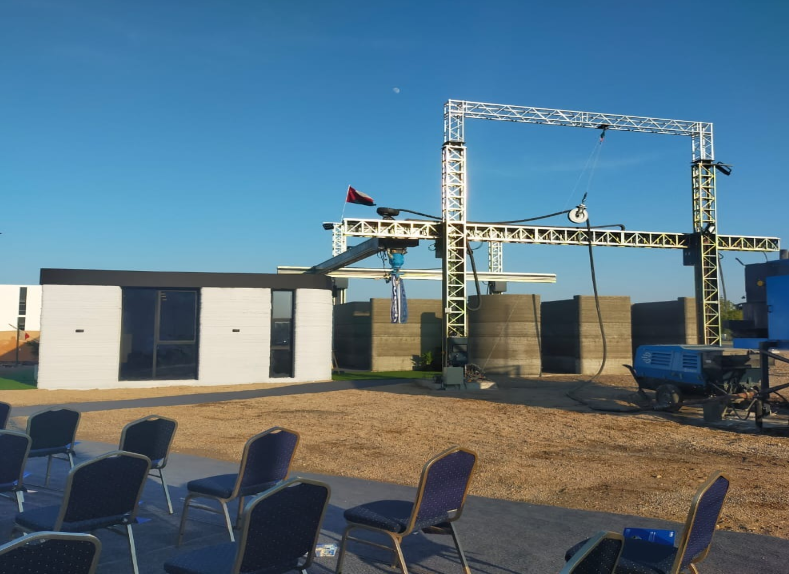
GUtech team turns to COBOD and its BOD2
3D printerCompletion of the construction of the Oman house, a gantry system that allows the construction of multi-storey concrete structures, layer by layer. While the technology’s debut in Oman looks stunning, it’s nothing new in and of itself, and since erecting its first 3D-printed building in 2017, COBOD has used it to solve a number of projects from around the world. Architectural challenges.
Last year alone, COBOD partnered with 14Trees, a joint venture between building materials specialist Lafarge-Housemont and the CDC Group, to help address Malawi’s classroom shortage by 3D printing entire schools and deploying its technology to build Three new low-cost homes to tackle America’s affordability
housing
crisis.
At the end of 2021, COBOD had revealed that it had partnered with building materials developer CEMEX to come up with a new way to turn ordinary concrete into a lower-cost3D printing materials. Essentially, the two companies have been able to achieve this by adding CEMEX’s D.fab solution to locally sourced aggregate, making it more fluid, malleable and easier to print .
In the first proof-of-concept project using the material in Angola last year, the two companies partnered with local contractor Power2Build, which found that it was able to use local aggregate to significantly reduce the cost of its housing construction, with every 575 square feet built. Housing, the cost is reduced to less than $1,000.
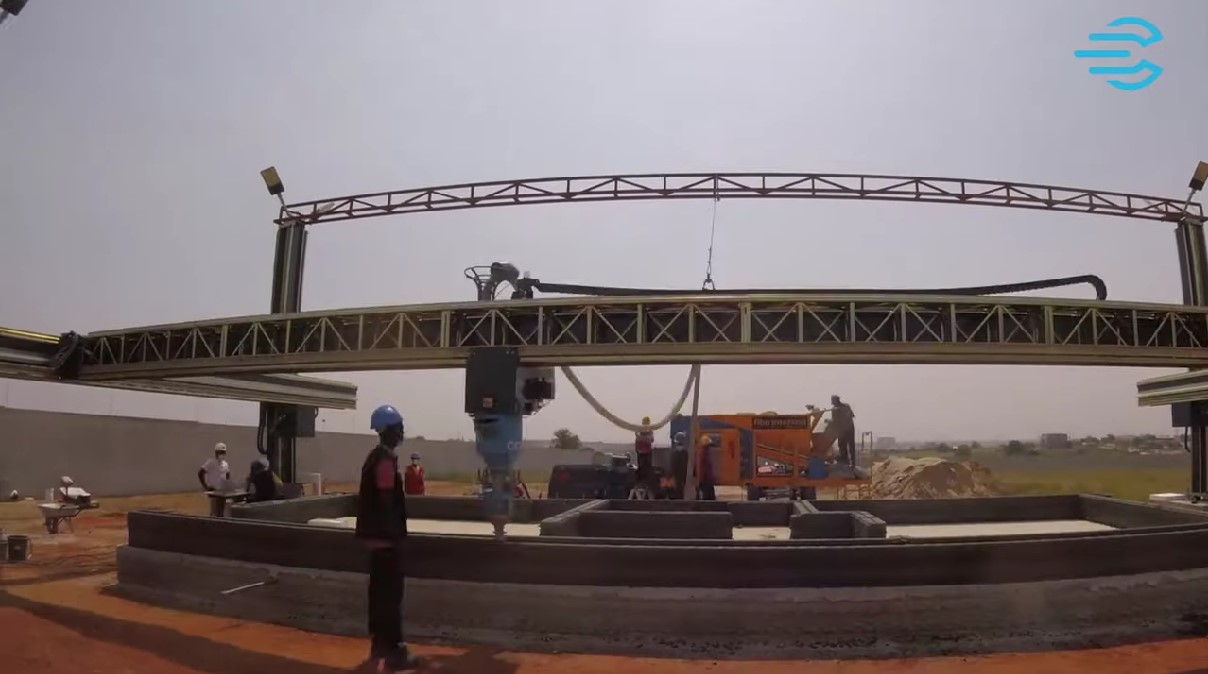
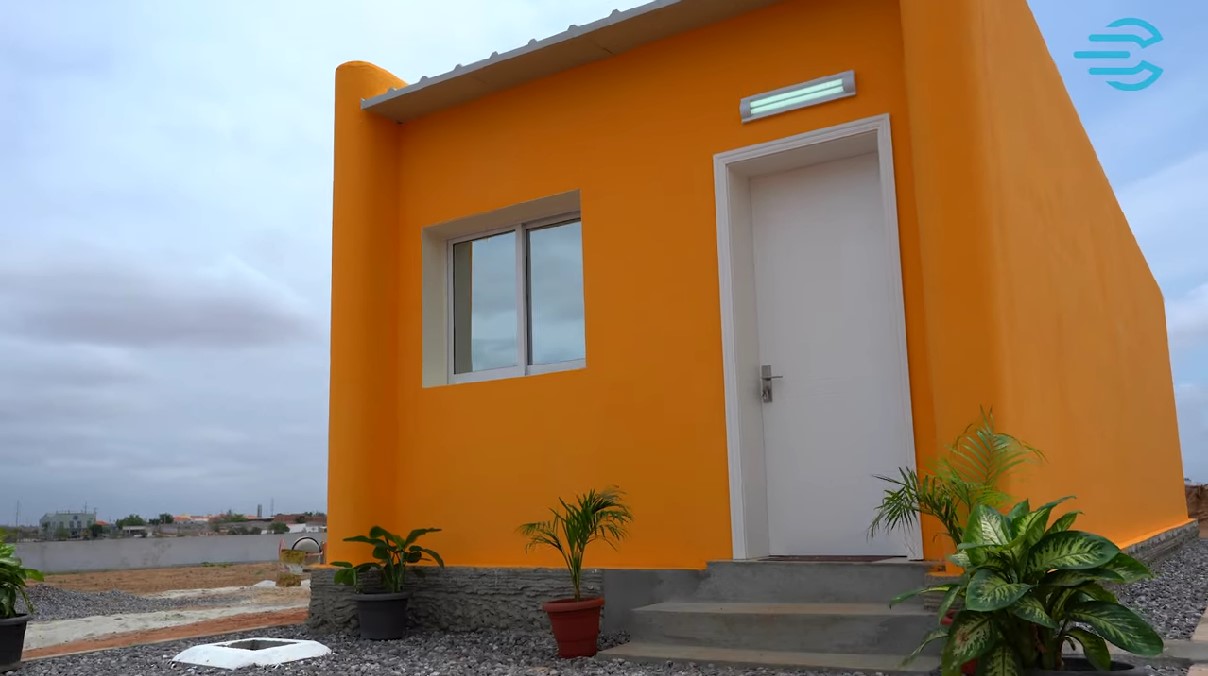
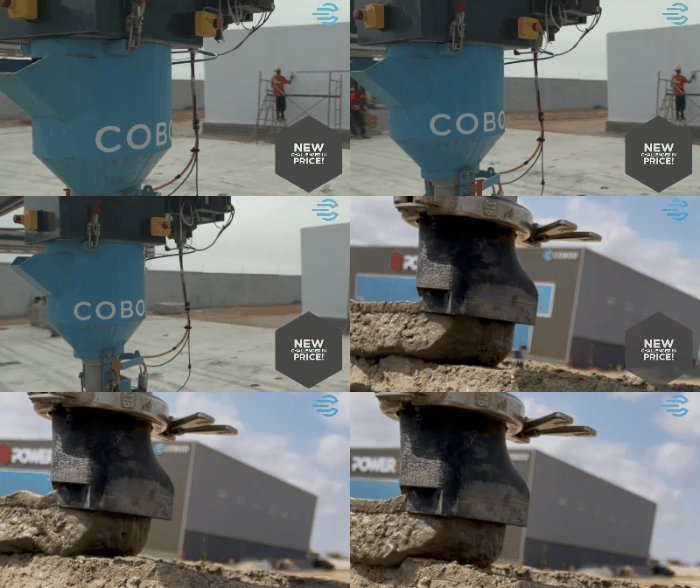
In just five days, the GUtech team, working closely with the folks at COBOD and CEMEX, was able to realize one unique building of housing.
Before the project began, Omani staff received a crash course in BOD 3D printing, while Cemex helped develop the ideal building materials for the project. Once the materials were in place, the engineers found they were able to quickly erect the building, which is said to cost less than 1,600 euros.According to COBOD, if
House
is built with dry-mix mortar, then it will cost more than 20,000 euros, this low-cost construction is largely achieved by sourcing more than 99.5% of the materials locally.
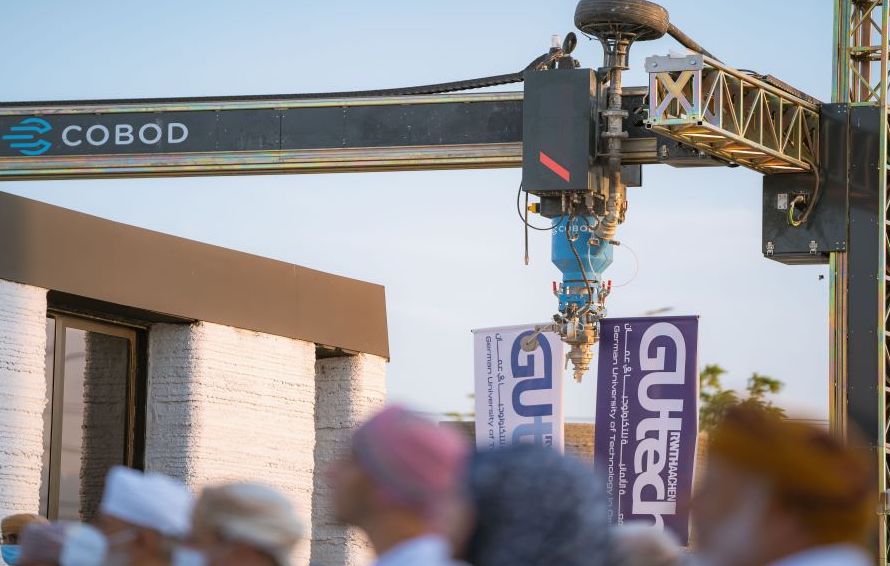
While COBOD has been keen to highlight that GUtech’s Oman residence was the first to be 3D printed from real concrete rather than traditional dry mix mortar, it is far from the first additively manufactured structure in the Middle East. In fact, over the past few years, the region has become a hub for 3D printing activity, so much so that last year the UAE Prime Minister issued a decree on AM in construction.
Around the same time, the Dubai government unveiled what it said was the world’s first 3D printing research laboratory. The Dubai Electricity and Water Authority (DEWA) facility is being built in the emirate’s 77-square-kilometer solar park, which was originally a research and development center for rovers and drones, but will be further developed as an international additive manufacturing center in the future.
(responsible editor: admin)
0 Comments for “COBOD and CEMEX join forces again to build world’s largest 3D printed concrete building in Oman”