

China3D printingThe award-winning 3D materials manufacturer CRP Technology has partnered with the Department of Aerospace Science and Technology of the Politecnico di Milano (PoliMi) to build a wind tunnel aeroelasticity demonstrator.
CRPTechnologyFounded in 1970, the company forms the CRP Group network with CRP USA, CRP Meccanica and electric motorcycle manufacturer Energica. The original company was a mechanical engineering company producing parts for the motorsport industry.now
CRP’s additive manufacturing portfolio includes a range of3D printingMaterials, whose rapid prototyping division has twenty-five units from 3D Systems, RICOH and other industrial manufacturers3D printingmachine.
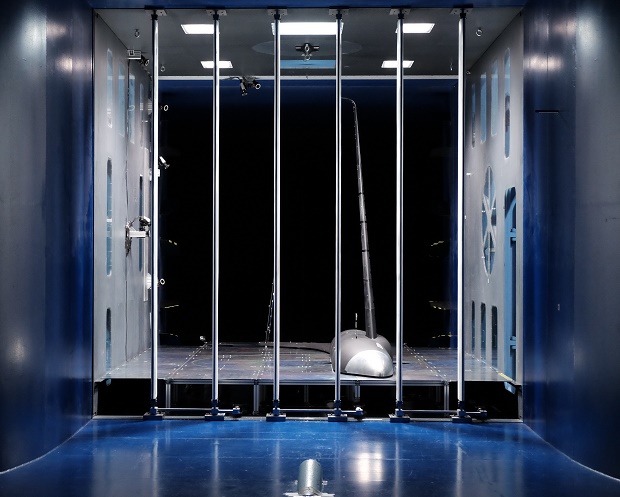
Aeroelastic Wind Tunnel Demonstrator. Image via PoliMi
As part of the partnership, CRP provides3D printingExpertise and private label composite materials to support PoliMi’s “Aeroelastic Flutter Suppression (AFS)” and “GLAMOR” projects.
The AFS project aims to test different active control system technologies aimed at achieving active flutter suppression. The GLAMOR project focuses on the technical optimization and experimental validation of the Gust Load Alleviation (GLA) control system for advanced green area aircraft built by Leonardo Aircraft Division. In essence, these projects attempt to test the performance of different types of aircraft wings, tails and fuselage.
To develop the wind tunnel components with PoliMi, CRP used selective laser sintering (SLS) and the carbon composite Windform XT 2.0 material.
Windform is an ISO 9001:2015 certified SLS 3D printingmaterial, ideal for functional prototyping. Since the launch of the Windform brand, seven different materials have been released, six of which are polyamide based and one elastomer. These materials have high thermal deformation and stiffness and are therefore able to withstand the aerodynamic loads simulated during wind tunnel testing.
The Windform series has been used to manufacture the first electric motorcycle in Italy andThe first complete3D printingsatelliteTuPOD, and has been used in the wind tunnel model of the tiltrotor AW609 aircraft3D printing.
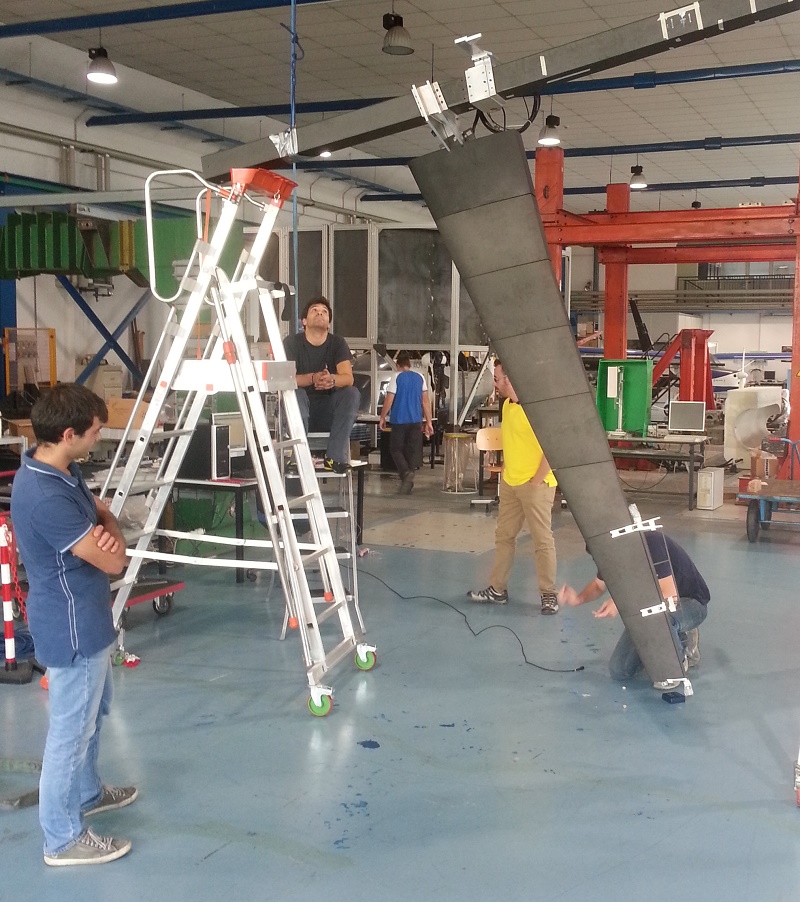
Aerodynamic wing in 3D assembly stage, GLAMOR project. Photo via PoliMi
exist3D printingPreviously, the aerodynamic sections of the wings were dry-laminated from carbon fiber or fiberglass fabrics, which were appropriately cut to match the shape of the wing by wrapping blocks of Styrofoam. This manufacturing process takes longer and produces a lower quality surface finish.
3D printingThese parts increase production speed and optimize the internal shape of these aerodynamic sections, making them lighter and stiffer. In fact, aerodynamics are critical when designing aircraft components because they help reduce drag on the aircraft and enable greater speed and efficiency.
Other additive manufacturing companies have also created parts specifically for wind tunnel testing, such as Royal DSM, a Dutch multinational health and materials company.Last year, the company launched two3D printingNew material for automotive parts, specially designed for wind tunnel testing.3D printingThe aerodynamic part has successfully passed the control and testing standards and fully complies with the requirements and standards of PoliMi.
China3D printingNet compiled from:3dprintingindustry.com
(responsible editor: admin)
0 Comments for “CRP TECHNOLOGY and POLIMI 3D Team Collaborate to 3D Print Wind Tunnel Model Parts”