

China3D printingIn “Additive Manufacturing of Wood-Based Materials for Composite Applications,” a team of researchers explored the use of wood-based composites, including additives such as sawdust, wood flour, lignin, and cellulose. Like composites used in many other industries, the idea behind such creations is to strengthen the initial components to increase the versatility of production.
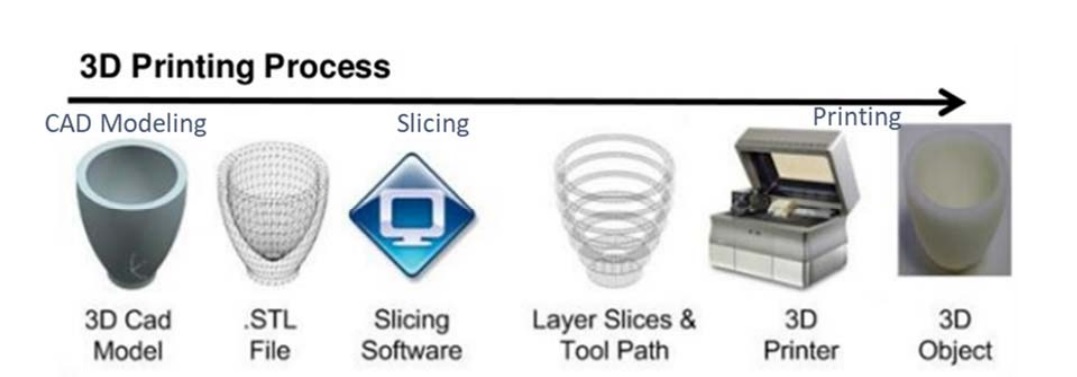
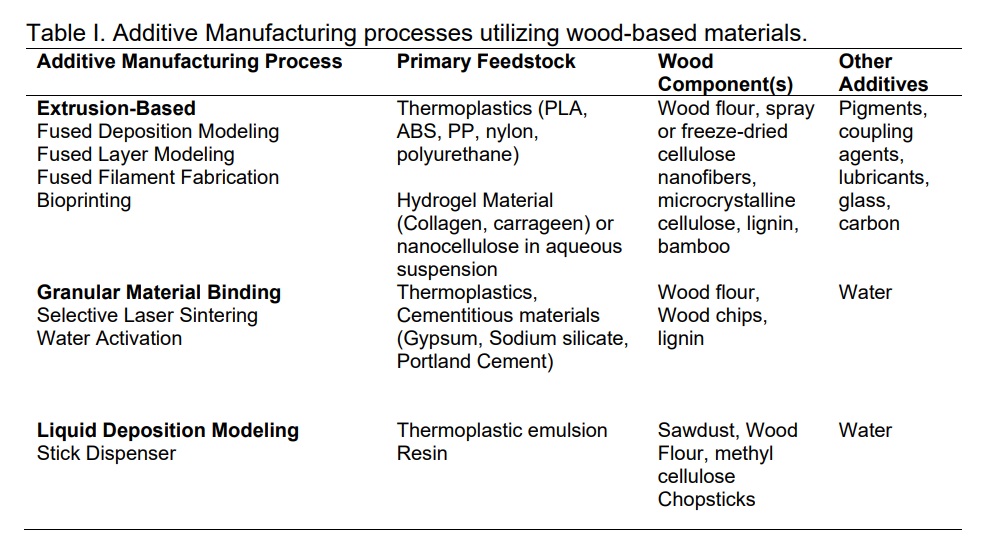
Additive manufacturing typically used with wood compositions uses extruders, particulate material bonding and liquid deposition models
The woods used in such experiments to date include softwood, hardwood and reclaimed wood, ranging in particle size from 14 to 2000 microns. Common polymer types examined previously include:
Polylactic acid (PLA)
Polypropylene (PP)
Styrene Maleic Anhydride (SMA) Copolymer
Polyvinyl Acetate (PVAc)
Urea Formaldehyde (UF)
Carbohydrates (starch and methylcellulose)
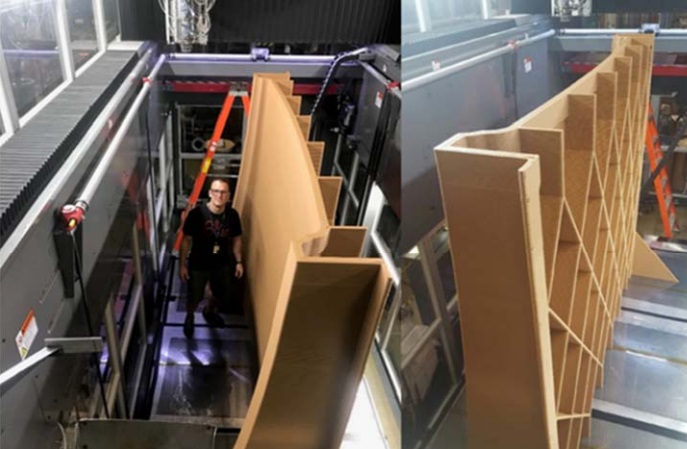
Large scale made from 20% (wt) wood flour and 1% (wt) CNF in PLAmatrix3D printingboat roof mould[24].
Researchers have been arguing that3D printingWhether the addition of fibers to the part “reduces or enhances” the interlayer strength, as they reduce the chance of polymer chain diffusion, but if the interaction between the wood fibers and the polymer matrix is strong, it can result in improved layer bonding. As the researchers reminded us, most of the fibers straightened and flowed in the direction of the print.
The strength properties of printed parts in the transverse direction of the fibers are generally weaker than in the longitudinal direction. In order to increase the interlaminar bond strength, the fibers will need to increase the transverse strength.
The right amount of nanofibers, coupled with the right amount of “lateral integrity”, can reduce the crystallinity of the matrix and allow for greater reinforcement of the polymer chains near the interface, thereby strengthening3D printingFloor.
“exist3D printingAdding fibers to polymers has several disadvantages. For filament-based printers, the filament can remain flexible enough for a given polymer to be wound only to a specific fiber content. For example, a fiber content of 20% by weight was found to prevent wood-iPP filaments from winding properly due to the brittleness of the filaments. “Another issue related to fiber addition is the formation of porous structures inside the printed beads/parts.“Challenges of additive manufacturing with wood-based materials include processing issues during extrusion and part production, especially part dimensional stability and material brittleness depending on the loading level of wood components, as well as influences on polymer crystallization behavior during processing. Impact.” Opportunities exist to produce lighter-weight, lower-cost composite parts for mold tooling and automotive parts. “
3D printingComposite materials are becoming more common today as users can more clearly define their requirements when manufacturing parts and prototypes. From end-of-life fiberglass composites to sintered thermoset composites, polymer nanocomposites, and more, many different composites are used to enhance existing materials.
China3D printingNet original article!
(responsible editor: admin)
0 Comments for “Exploring and enhancing wood composite 3D printing materials to improve layer adhesion and versatility”