

Implants based on biodegradable polymer materials, such as polylactic acid, polyglycolic acid or polycaprolactone, have been used for decades. This type of material can be manufactured into simple geometric shapes through injection molding technology, but it is difficult to achieve the manufacture of personalized implants to meet more complex medical needs.3D printingThe advantages of technology in the manufacture of complex products and flexible realization of customized production bring more possibilities for the customization of biodegradable polymer implantable devices, and will also expand the application range of biodegradable implants.
Silicon Valley3D printingThe company Carbon is penetrating its additive manufacturing production solutions into the field of implantable medical devices, and they are developing a new elastomeric bioabsorbable polymer3D printingMaterials and combine3D printingThe lattice structure design software expands the application of this material in the manufacture of medical implantable devices, and its potential application areas cover 8 types of implantable medical devices.
 Combining materials and design to explore innovative implantable devices
Natural bioabsorbable materials include autologous transplantation, allogeneic transplantation and xenotransplantation. The availability of autografts is limited. Both allografts and xenografts have the risk of rejection/inflammation and the requirement for systemic immunosuppression. Traditional synthetic bioabsorbable polymers are rigid semi-crystalline thermoplastics, which are usually manufactured by melt processing, injection molding, or melt spinning for medical devices. To achieve flexibility of these materials, polyester fibers are usually used to make fabrics.
According to Carbon, although traditional bioabsorbable materials can significantly improve the health of patients, the breadth of medical device applications is limited by the range of available materials and the mechanical response they provide. Carbon is developing a new elastomeric bioabsorbable polymer material for use in Carbon’s Digital Light Synthesis™ (DLS™) based on the photopolymerization process3D printingTechnology through which complex biodegradable medical devices can be created.
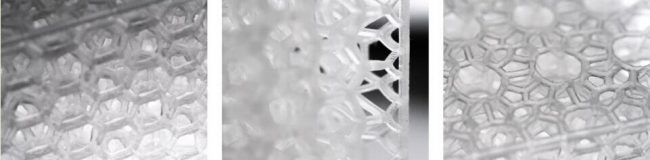
Elastic bioabsorbable polymer series materials. Source: Carbon
In addition to providing absorbable materials, Carbon will also combine design solutions to expand the application of biodegradable medical implant devices. Carbon’s lattice design software can adjust the mechanical force of implant products. By controlling the characteristics and structure of the material, it will open up new ways for the research and design of absorbable implant devices. Carbon lists potential applications for new bioabsorbable elastomer materials and software-driven design solutions for additive manufacturing. include:
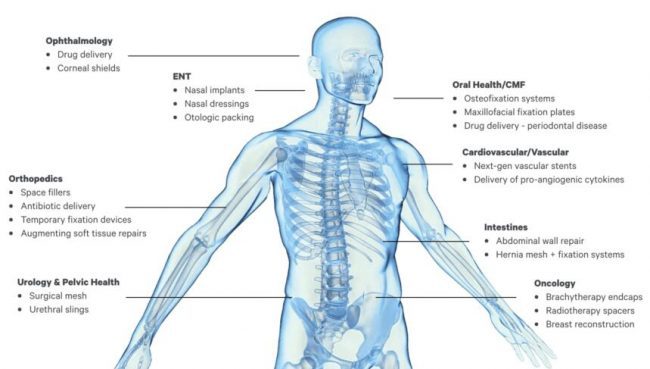
Elastic bioabsorbable polymer3D printingPotential application areas of materials. Source: Carbon
Surgical mesh
0 Comments for “Carbon develops biodegradable 3D printing materials and combines design to explore implantable medical device manufacturing”