

China3D printingNet October 25th, as far as medicine is concerned, each step is a long one. Pre-clinical and clinical trials will take several years, and if we know some known facts, the subject has made progress, but it has not. Too much change. For example, it has been 50 years since the first successful heart transplantation, and human donors are still needed today. After so many years, heart transplantation still has risks and complicated procedures. Artificial organs are the next step besides this.With the help ofbiology3D printingTechnology, more and more researchers are creating functional organoids, but we seem to be far from implanted organs. We keep hearing the opinions of experts that additive manufacturing has developed so many industries and sciences, but there is no medicine, or at least not as fast as we expected. But every once in a while, we hear stories about doctors trying to manage organ transplants. This is what Michal Wszola has been doing for the past ten years. General surgeons and transplant physicians have maintained close relationships with patients throughout his career, which prompted him to look for solutions to diabetes, chronic pancreatitis, and kidney disease (some of the most common diseases he treats every day). The Polish expert and the creator of the first bionic pancreas with a microvascular system talked about the future of his career and the necessity of using bioprinting technology to enter the next chapter of the medical revolution.
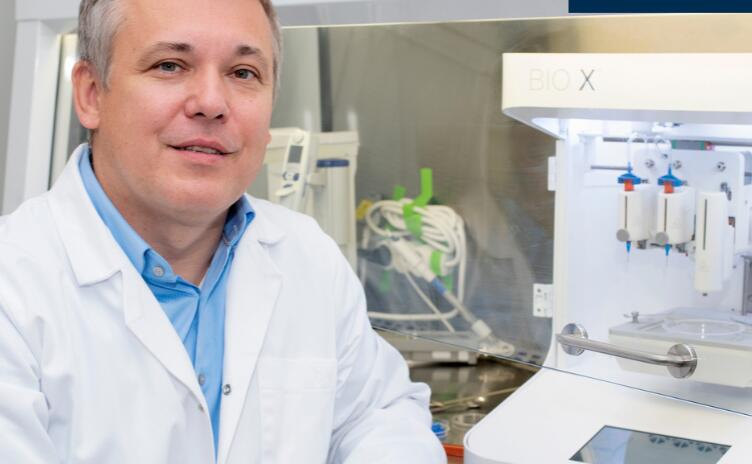
In 2009, Wszola established the Research and Science Development Foundation in Warsaw, Poland to strengthen education and research activities in the fields of medicine and biomedicine. Wszola has been actively seeking breakthrough medical therapies to help patients with diabetes and secondary diseases, as well as those who are referred to the pancreas or islet transplant ward.The foundation’s current focus is on bionic pancreas3D bioprintingThe project, this organ can enable diabetic patients to achieve normal functions, and will also replace the need for chronic insulin therapy. His team has also developed two bio-inks that can be used for pancreatic islets, and these inks will soon be on the market.
The project involves the bioprinting of 3D stents and functional blood vessels and pancreatic islets. Therefore, a fully functional bionic pancreas suitable for transplantation will be formed.
“In March last year, we used mouse islet cells and porcine islet cells to bioprint the bionic pancreas for the first time. The resulting organ was one-third the size of a normal pancreas; but in this case, the size was not the same. Important, because we only need to be responsible for the islet function of insulin production. My team and I are interested in preparing the pancreas to cure diabetes, not repairing natural organs. In our organs for bioprinting, we can place a million This is enough to cure diabetes.”
The Bionic Pancreas project aims to create a customized pancreas from the patient’s own stem cells, which will eliminate any risk of rejection. The stem cells will then be transformed into insulin and glucagon-producing cells and bio-imprinted; finally, the biomimetic pancreas will be tested for function before human transplantation. The reproduction of organs such as the liver, pancreas, or kidneys is very complicated because they require a vascular system. In this case, blood vessel formation is a major challenge for Wszola and his team. Bioprinted organs need to have a dense blood vessel network so that all pancreatic islet cells can get enough glucose and oxygen.In the foundation laboratory, Wszola and his team use CELLINK biological3D printingMachine to experiment.
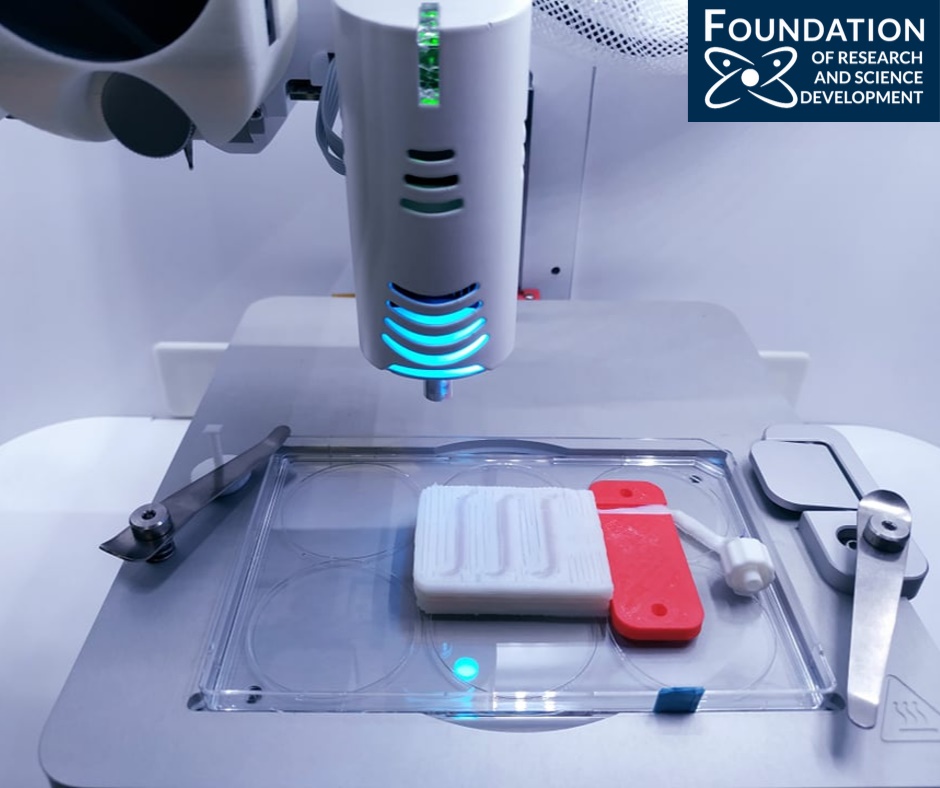
The animal study with mice is the first attempt to observe how the bioprinted microvasculature grows into the new pancreas. The key is to analyze how long the process will take. Once he has the number (may range from days to weeks or even months), he will publish papers with colleagues from the foundation and a consortium, including medicine Warsaw University, Warsaw University of Technology, Neji Institute of Experimental Biology, Medispace and Baby Jesus Hospital.
Poland already has a strong medical background in pancreatic research. As early as 1965, Stanislaw Moskalewski was the first to successfully isolate islets from the pancreas of chopped guinea pigs.Of course, more research has been conducted in the United States, followed by some experiments, these experiments performed islet transplantation from a donor pancreas, but Wszola believes that there are two main problems with this method: lack of vasculature and complex islets Separate
0 Comments for “Polish experts plan to transplant bionic 3D printed bionic pancreas in three to five years”