

China3D printingNet October 14 news, for the first time3D printingThe preoperative technique was used in four children with congenital heart disease (CHD), which provides hope for future development.This idea was put forward by Ignacio Berra, a pediatric cardiovascular surgeon at the Garrahan Hospital in Buenos Aires, Argentina. He and the patient’s3D printingAortic valve and his own creation3D printingThe equipment works together to perform a test operation before repairing the aortic valve.Developing3D printingMedical models to assist professionals in preparing for complex operations around the world. So far, since doctors started manipulating the models, they have been very successful, just as they did in actual surgery. Using medical imaging to recreate the patient’s anatomical model with any of the different materials available today, an accurate and customized model can be derived. After viewing the 2D format image of a child’s heart, performing an operation is not the same as actually mastering an accurate copy.
BerraI have tried to plan for a few years before the operation in the hospital where he works, and just last month, he was finally able to do it, thanks in part to his3D printingStart-up company LEW, it has developed four aortic valve reconstruction models for free. This is a big improvement in countries where public hospitals do not have research institutions related to them.
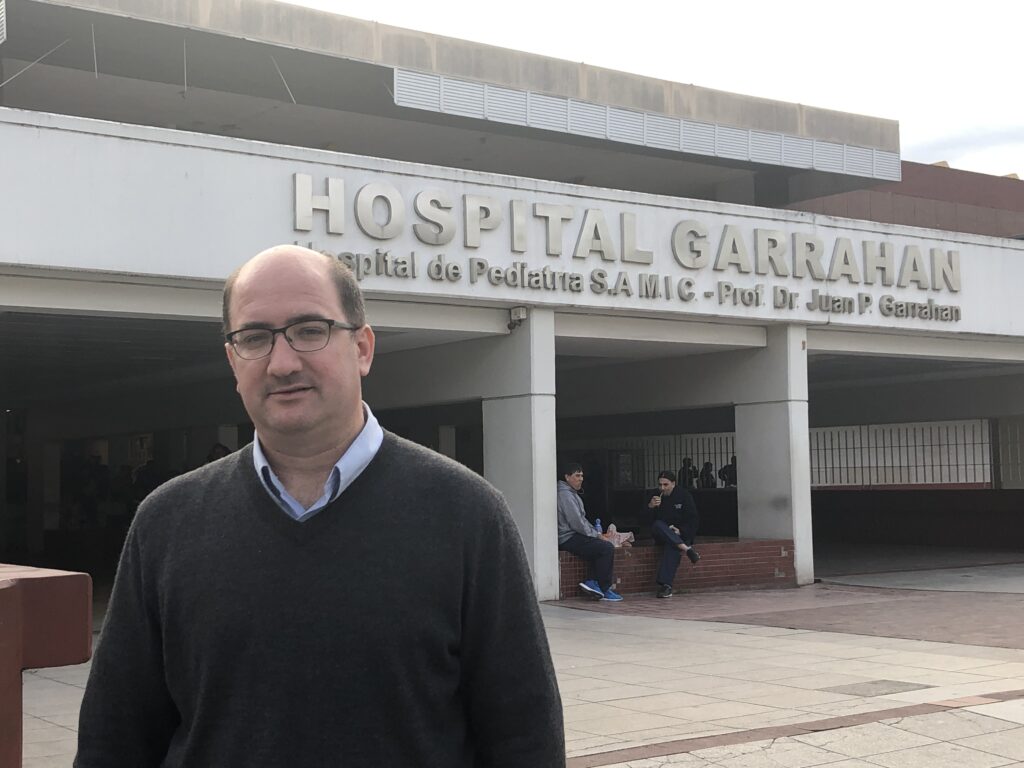
Ignacio Berra of Karakhan Hospital Physician
Berra An average of 15 children are treated every week. One-third of the country’s complicated childhood heart disease is resolved in Galajan Hospital; children from Bolivia, Chile, Uruguay, Paraguay and even southern Brazil also go there for surgical operations. . Berra has been in Garrahan since 2006hospitalHe studied with other researchers at Harvard Medical School at Boston Children’s Hospital four years ago.When he returned, he longed to3D printingUsed in medical equipment, so began to develop preoperative models of the aorta and pulmonary valve for children with severe aortic insufficiency, as well as his3D printingHis intraoperative test equipment was used for aortic valve repair (developed during his time in Boston).
This idea-which can also be implemented in adults-will benefit 50 children with aortic valve failure each year. According to experts, if the aortic valve does not work properly, it will interfere with blood flow and force the heart to work harder to transport blood to other parts of the body. This can cause breathing difficulties, fatigue, chest pain, unconsciousness, arrhythmia, and possibly Caused a heart attack and died suddenly. also,Berra He said that performing heart surgery in children is much more complicated than in adults because the anatomy is not always the same. In fact, he said that the anatomy of the aorta has changed a lot.So that’s why he insisted on going through a fully customized3D printingThe reason for the preparation of the aortic valve model training.
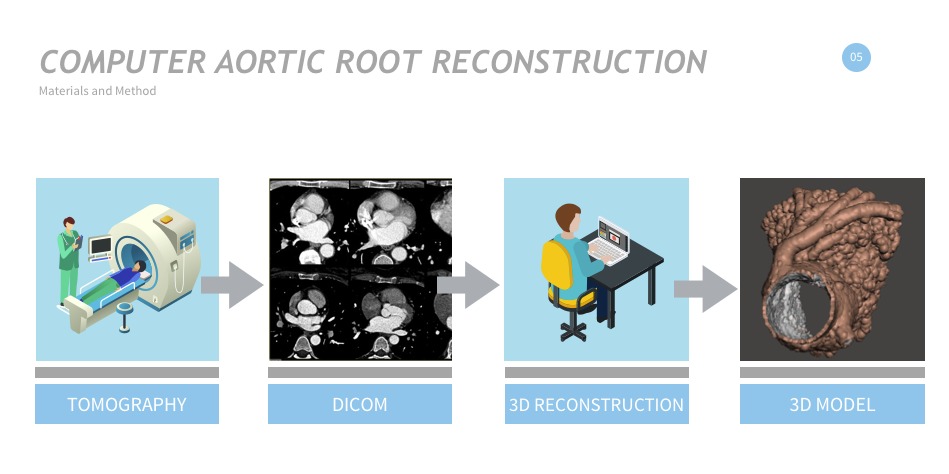
“In order to fully understand the situation encountered during the operation, I must first use Matlab to print out each copy of the four children’s aorta from the CT scan. After the model was made, I sewed a pericardial valve so that I could actually Simulate a child’s valve. Finally, I use a 3D-designed device to evaluate the repair of the aortic valve, then use a solution to pressurize the model to simulate the diastolic pressure experienced by the patient, and use an endoscope to evaluate and test the valve Is it closed well and can withstand the blood flow after the operation. After the laboratory test was completed, I performed the actual operation.” Berra explained.
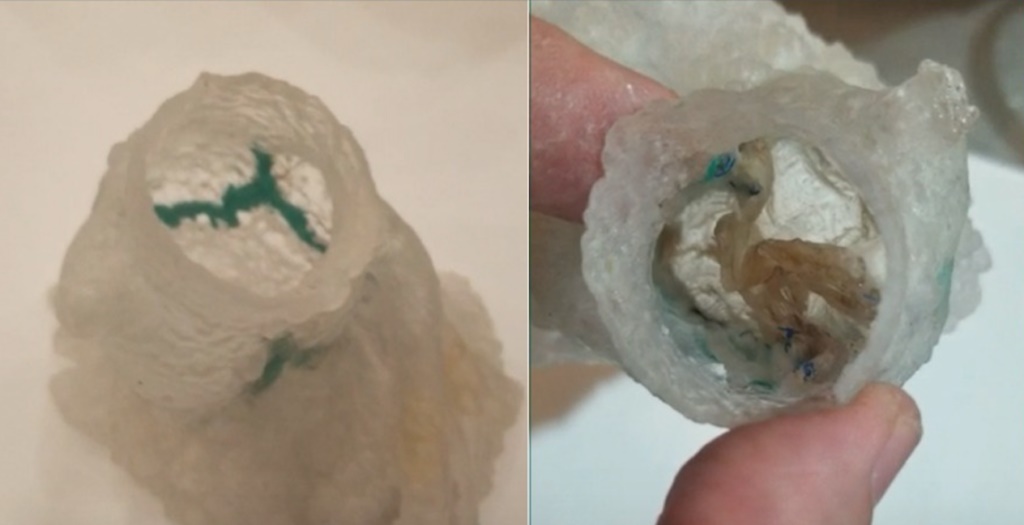 3D printingAortic valve model” alt=” 3D printingModel of the aortic valve” />
3D printingA model of the aortic valve, without pericardium (left) and sutured pericardium (right), for testing before surgery (after a while, the pericardium becomes dry)
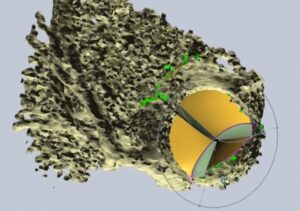
Software modeling of the aortic valve
Berra is currently in talks with Carin van Doorn, Head of Congenital Cardiac Surgery at Leeds Teaching Hospital, which is part of the UK’s NHS Trust (the largest provider of NHS professional services in the UK), and hopes to work together to reconstruct valves suitable for obstructions Children with right ventricular outflow tract disease in England.Berra meshHe hopes to use 3D software to reconstruct the valve before moving to the operating room (OR), where he hopes that the prosthesis made from the patient’s own pericardium can be used for a longer period of time (like what happened in Argentina). This significantly reduces the probability of patients re-entering the operating room.
Berra was the first person in the country to engage in3D printingHe is a medical expert and encourages others to follow his leadership. But it is not easy. The country is not a developed country. Due to limited financial resources and low level of learning, opportunities for the poor (36% of the population) are limited, and it may take decades to catch up with other parts of the world.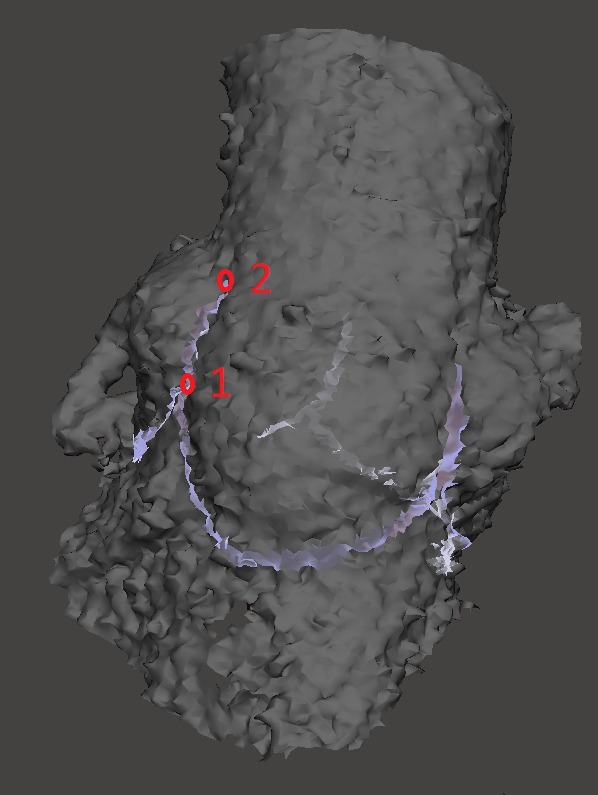
Aortic valve model printed on Stratasys
Berra’s company LEW produces preoperative models for his personal use in the hospital, and for his use in his work.3D printingDoctor curious about technology. He uses Stratasys’ own resin to manufacture on the company’s Stratasys Objet30 Prime. Each model is priced at around $200 and has not yet been charged to other doctors and hospitals.
China3D printingNet original article!
(Editor in charge: admin)
0 Comments for “Surgeons bring 3D printed preoperative models to Argentine Children’s Hospital”