

China3D printingNet November 1st, there is no doubt that the spread of viral diseases poses a threat to many countries. This requires the international community to take coordinated response measures and requires a strong scientific foundation. In the past ten years, it has been There are dozens of virus alerts. For example, in July, the World Health Organization (WHO) declared that the current Ebola outbreak in Congo is a public health emergency of international concern. Last year, Nipah viral encephalitis broke out in Kerala, India. We will not forget. In the 2016 Zika pandemic, more than 3,700 children were born with birth defects.
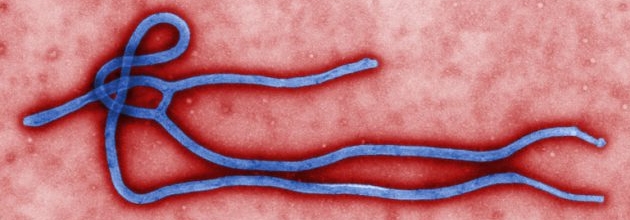
The global virus network responds to the Ebola outbreak in the Democratic Republic of Congo (Image source: GVN)
All these warnings are vital evidence that our world is interconnected and extremely fragile. In addition, researchers and scientists are racing to formulate urgent and proactive measures to deal with the challenges posed by viruses (including unknown viruses) to global health and safety.To this end, the Global Virus Network (GVN) has promoted collaborative research on diseases caused by each type of virus in humans and animals, and announced the addition of the Wyss Institute of Biologically Inspired Engineering at Harvard University as its newexcellenceOne of the research centers.
Wyss will provide its virus expertise and core technologies, including the human organ chip they began to develop in 2016, and researchers from Harvard University’s John Paulson School of Engineering and Applied Sciences (SEAS).The first one made entirely of multiple materials3D printingA single-chip organ is a heart chip with integrated soft sensors to track beating tissue. It can be manufactured quickly in customizable sizes, shapes, and other physical characteristics, while allowing researchers to easily collect reliable data to extend the cultivation time.
Johan Ulrik Lind, a postdoctoral researcher at SEAS and Wyss Institute, declared that the new “programmable micromachining method to build organs on a chip” not only allows us to easily change and customize the chip design. This system also greatly simplifies data acquisition. “
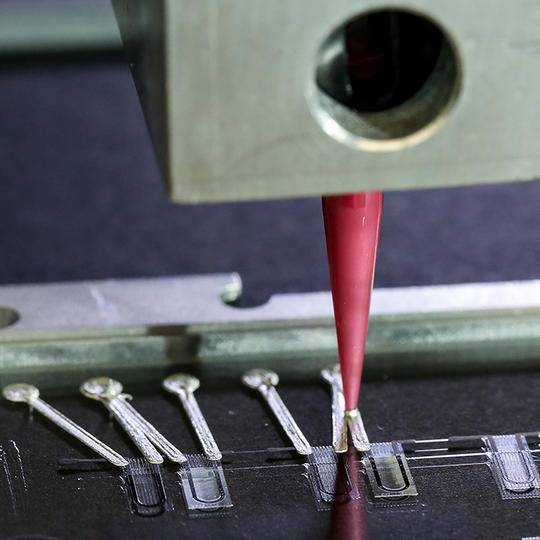
Organs on the chip mimic the structure and function of natural tissues and have become a promising alternative to traditional animal testing. For “Heart on Chip”, Harvard experts have developed six different inks that integrate soft strain sensors into the microarchitecture of the tissue.In a continuous process, the team combines these materials3D printingInto the heart microphysiology device.
It is the center of excellence and membership of GVN, including the Manipal Institute of Higher Education in India. “Alexander von Humboldt”, Institute of Tropical Medicine, Cayetano Heredia University, Peru; Infectious Disease Research Center, National Institutes of Health, Korea; Institute of Virology, Ministry of Health, Republic of Uzbekistan; Antiviral Pharmacology Experiment, University of Zimbabwe Laboratory and Clinical Trial Research Center Virology Program. The group already has 52 centers and 9 branches in 32 countries. It is established on the principle that preparations for emerging viral diseases require grounded collaborative research between local and global partners, and the need to transform diagnosis Tools and regional surveillance networks.
GVN Chairman Christian Bréchot and GVN International Scientific Leadership Committee Chairman, Co-Founder and Chairman Robert Gallo announced the news in late October, with the discovery of the development of human immunodeficiency virus (HIV) and HIV blood tests.
GalloSaid: “Since HIV/AIDS first appeared, I firmly believe that if world-class virologists are formed and organized to better respond to existing and new viral threats, mankind will receive the best service. GVN’s These different new members have added the depth of expertise and global influence to our network. They will help us better respond to virus threats and train the next generation of virologists.”
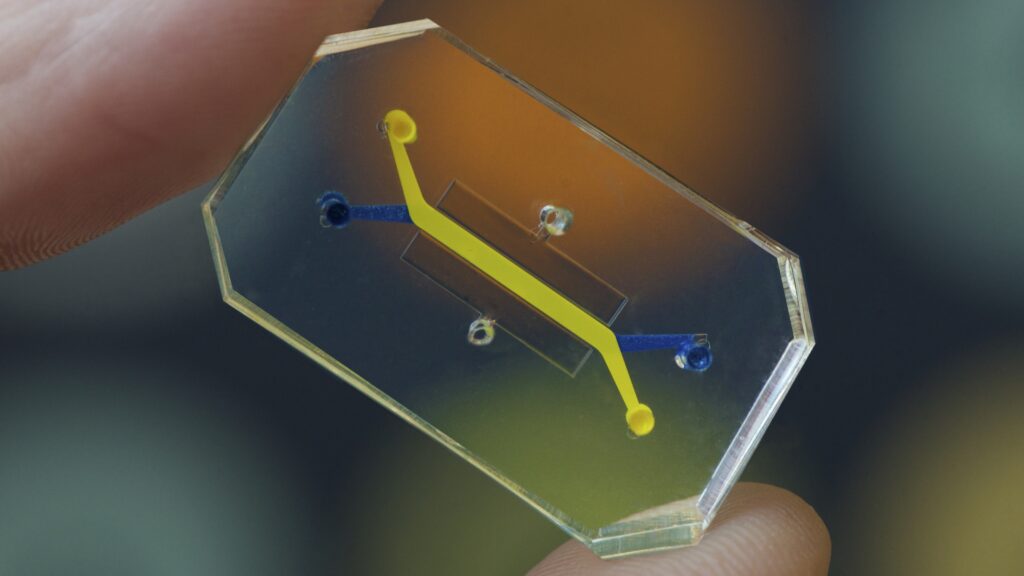
Organs on the film (Image source: Wise College, Harvard University)
“We have provided GVN with truly unique bioengineering and technological innovation skills that will complement most other members of the network’s attention to classic virology, as well as many powerful enabling technologies that GVN members should find extremely useful. We It is hoped that GVN can help us identify relevant financing opportunities and the sources of clinical samples, and work with us to build a stronger consortium around specific issues, and provide support to researchers and trainees when possible.” SEAS Bioengineering Professor Donald Ingber said.
For many years, Wyss has been at the forefront of bioengineering technology, and two researchers are researching and developing3D printingA new approach to organs, and a multidisciplinary team is seeking to create a functioning kidney subunit, and the current work is to build a unique branching blood vessel network for each organ. It also initiated a human organ chip project to simulate influenza virus infection and develop new therapies. This is an exciting time for Wyss, and it will now become more challenging as they try to work with other global agencies to tackle some of the most destructive viruses we have seen.
3D printing
” alt=”Multi-material direct writing of cardiac microphysiological devices
3D printing
“/>
Multi-material direct writing of cardiac microphysiological devices3D printing, Designed for in vitro heart tissue research (Image source: Lori K. Sanders/Harvard University)
GVN continues to act as a catalyst, uniquely connecting top virus research institutions from all over the world to establish collaborative, effective alliances and eliminate virus threats.
China3D printingNet original article!
(Editor in charge: admin)
0 Comments for “Wyss Institute will help deal with the virus threat by 3D printing monolithic organs”