

China3D printingNet December 18th, the gift of human life is so magical that if you think about it for too long, you may find yourself overwhelmed by the complexity of all this.
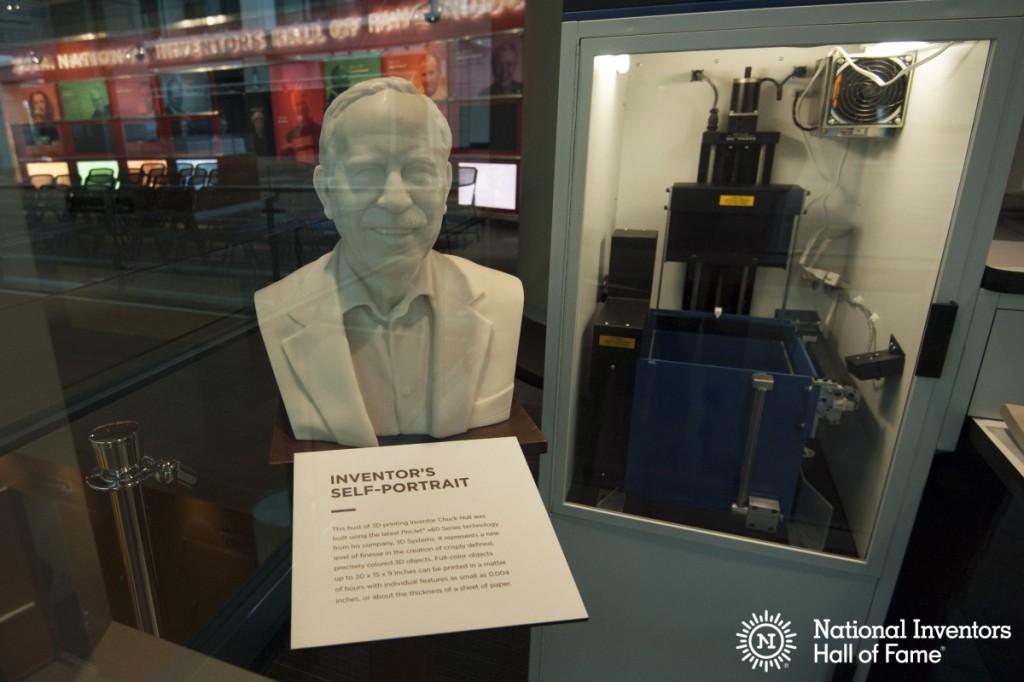
You may have the same feeling for many of today’s technologies, for3D printing, As well as robotics, virtual reality, and even 4D printing, you can also understand. Trying to understand how inventors like Chuck Hull came up with the concept of creating software, hardware, and materials that run on so many layers and systems is incredible.However, since the first one in 19833D printingSince the machine came out,3D printingTechnology has achieved world-renowned achievements.
3D printing
bust” alt=”Hull’s
3D printing
Bust” width=”620″ height=”413″ />
Hull’s3D printingBust, using 3D Systems ProJet x60 printer and his famous first3D printingMachine SLA-1 (Photo: National Inventors Hall of Fame)
Today, researchers create and use complex technologies that help them keep making progress in discovering and creating new products and tools for critical applications. Although the medical field was particularly severely affected by 2019 research, so are many other fields.Starting from medicine, this is China this year3D printingFive research areas that the net should pay attention to:
medicine
This year3D printingThe innovations that technology brings to the medical field are compelling, and for those who have not spent time in front of a think tank or microscope, they are almost incomprehensible in some ways.
It’s undeniable that about3D printingA lot of things are entertainment and games.After all, today, you may find one in many elementary schools3D printingLet the children learn how to make small objects and trinkets, and they may even find surprising young students sitting in the laboratory doing 3D design in your local library in the afternoon or evening.Watch for yourself, and then concentrate on watching how the various layers from the desktop3D printingThe machine prints one by one. In this way, the initial interest becomes a passion for learning and creativity, and many students may continue to print medical devices such as prostheses or engage in other research projects.
But when we study and save patients who are on the verge of losing their lives,3D printingIs becoming more and more important. Researchers are committed to finding better ways to treat patients, especially those suffering from cancer and other life-threatening diseases.
3D models can be made to replicate tumors in many ways and help surgeons, from diagnosis and education of patients and their families to helping medical students train, but in the end, surgeons may perform some of the most innovative procedures for them prepare for. For example, a 3D model may accompany them for a long period of time, from the time it is diagnosed to the time it is used as a surgical guide around pediatric orthopedic surgery in the operating room.
In the past year, medical inventors have created many implants, devices, etc.On the occasion of e-NABLE celebrating its eighth anniversary of helping others, volunteers are almost all over the world, studying the need to accept3D printingMan’s approach to prosthetics.
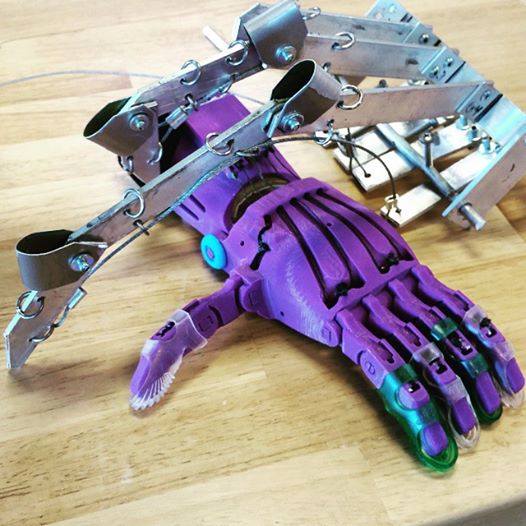
Happy eighth anniversary, e-NABLE! (Photo: e-NABLE)
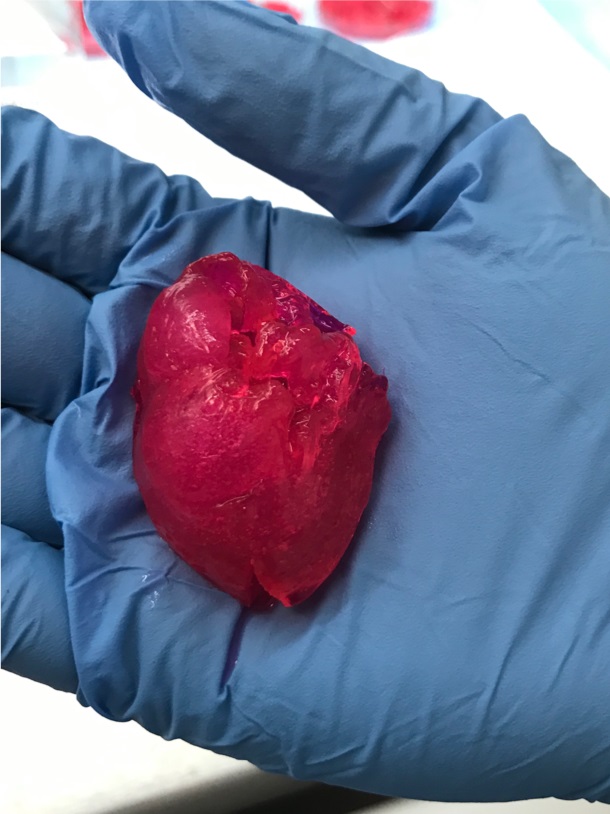
3D printingThe potential of medicines and various peripheral devices such as dispensers are also emerging.But there is no doubt that bioprinting is still the highlight of this year. Although scientists have not yet reached the true meaning of printing replacement organs for the human body to replace the need for donors and waiting lists, they are still creating incredibly useful3D printingModels for treatment and training, to provide patients in urgent need of treatment3D printingThe titanium sternum is even a miniature heart component.
 3D printingMini heart” alt=” 3D printingMini Heart of “width=”610″ height=”814” />
3D printingMini Heart (Photo: BIOLIFE4D)
3D printingThis field is expected to expand only in 2020, and eventually, researchers will become the holy grail of bioprinting and manufacturing human organs.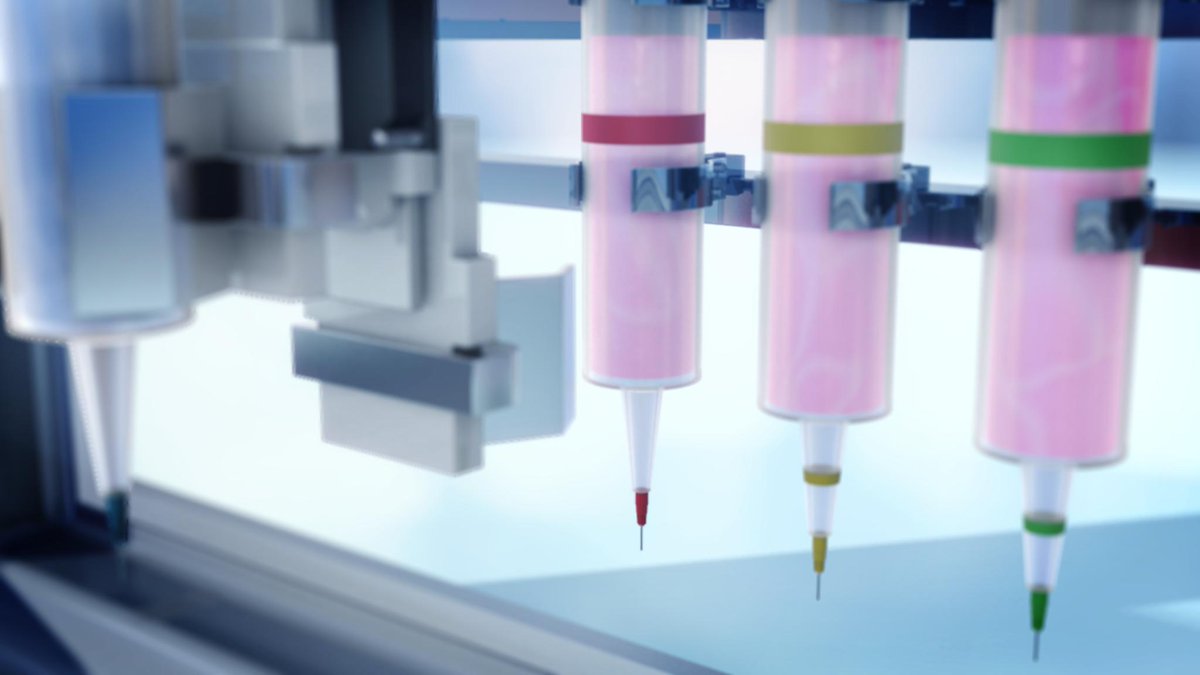
(Photo: BIOLIFE4D)
Material: Metal and composite materials3D printing
Although laboratory researchers continue to create their own software and hardware to complete complex research (usually on existing3D printingThe scope of the material research is far beyond our imagination a few years ago.Nowadays, not only metal3D printingAs the growth continues, researchers are learning more about composite materials that can reinforce metal powders (such as particle-reinforced metal composites), which can be used in major applications and industries such as aerospace, automobiles, and so on.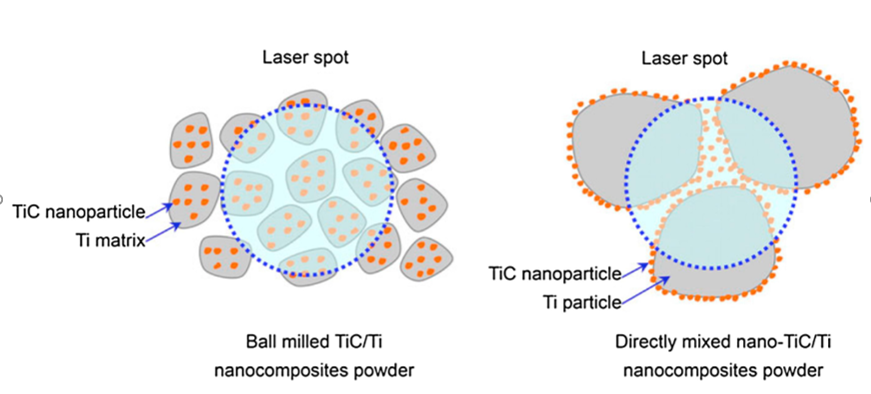
Schematic diagram of the distribution of nanoparticles in TiC/Ti nanocomposite powder prepared by ball milling and direct mixing, prepared by SLM. (Photo: Singapore University of Technology and Design)
The combination of additives and metals (and polymers) provides more options for scientists and manufacturers in almost every industry from car manufacturers to the military.Develop in microgravity or zero gravity environment, metal in space3D printingIt is also the focus of researchers’ attention.
aerospace
Scientists never seem to be tired of research on space travel, colonization, and building materials on demand away from the Earth. Of course, many studies are promoted by NASA, but the public is still fascinated by the idea of going to Mars (or any type of space colony) in the near future. Of course, the construction process must be accompanied by multiple options, including robotics. Similarly, materials and composites are important research areas for researchers, such as sintering thermoset composites at high temperatures and other research on aerospace technology.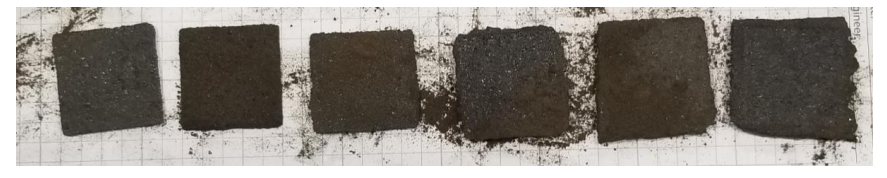
Excerpt from “High-temperature sintering of thermoset composites in aerospace applications” (Picture: “Laser sintering of thermoset polyimide composites”)
At the same time, many different engine components were created, as well as extensive research on engine thrusters and other parts to optimize rocket and satellite technology.
architecture3D printingTechnology
Although everyone can use it in the near future3D printingThe reality of housing may be a bit far-fetched, but progress has been made in structural manufacturing at all levels, from offices to beautiful houses to small houses to possible affordable houses.
[图片:3DPrinthuset]
Large3D printingMachines have been manufactured by researchers in many countries, with the idea of providing incredible benefits to construction companies, such as moderate prices, on-demand (fast) production, reduced demand for staff, etc. These printers may also be able to quickly create entire communities.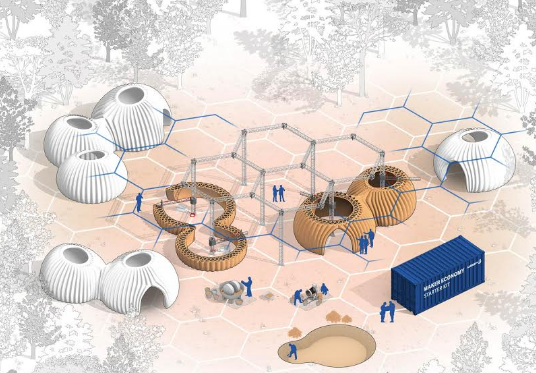 3D printingThe machine will manufacture a round housing with a reasonable price.” alt=” WASP 3D printingThe machine will manufacture a round housing with a reasonable price. “width=”536″ height=”373” />
WASP 3D printingThe machine will manufacture a round housing with a reasonable price. (Picture: WASP 3D)
After returning to material research, concrete has always attracted people’s attention because researchers have discovered a variety of methods to extrude substances that have always been very conventional.Now, scientists are looking for alternative construction methods, such as concrete foam board, intended to replace the traditional manufacturing method of geopolymer concrete, and create a lighter space structure-use3D printingOne of the biggest benefits of the company is that it can make lighter parts-usually, parts that could not be created by traditional technology before.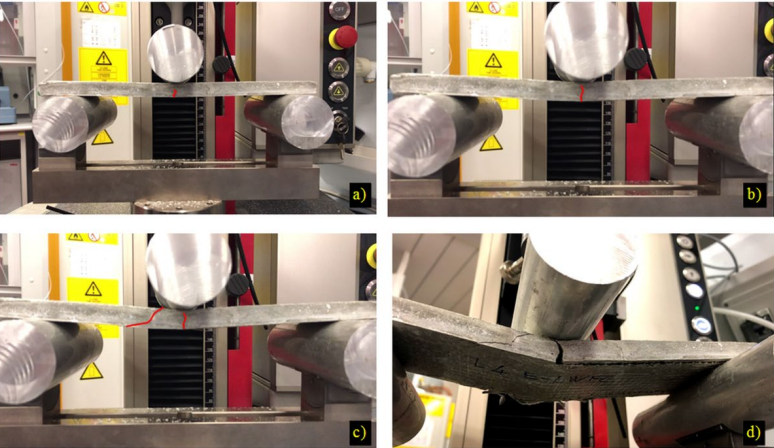
Concrete foam board
Energy and power generation
From porous anodes to new technologies for making batteries, researchers have been looking for new ways to store and produce energy.Wind turbines are affected by3D printingWide attention in the field, because parts can be created and maintained more easily. Scientists all over the world are trying to find better ways to use wind turbines because they have endless amounts of energy, but historically, they are expensive and generally challenging.With the help of3D printing, Researchers can also explore ways to improve the design of small wind turbines.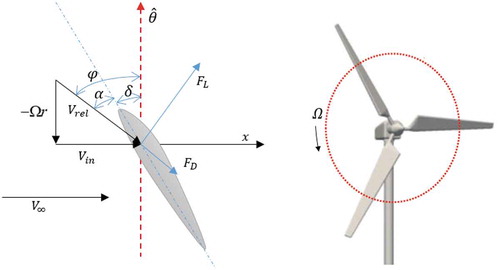
The force and velocity vector θ⌢ acting on the cross section of the HAWT blade is the tangent direction of the blade.
The above is China3D printingThe frontiers of 2019 that the network counts for you3D printingTechnology, what do you think, welcome to exchange!
China3D printingNet original article!
(Editor in charge: admin)
0 Comments for “Year in Review: Frontiers of 3D Printing Research in 2019-From Medicine to the Moon”