

Rocket launching can be said to contain the most cutting-edge technology in the world, especially in terms of structural design. For every 1kg weight loss of the rocket, it can save US$20,000 in launch costs.
Since the Soviet Union launched the first rocket, the rocket manufacturing technology has been improving. However, after decades of design optimization, the traditional manufacturing technology has encountered many bottlenecks. At this time,3D printingThe emergence of technology has brought new opportunities.
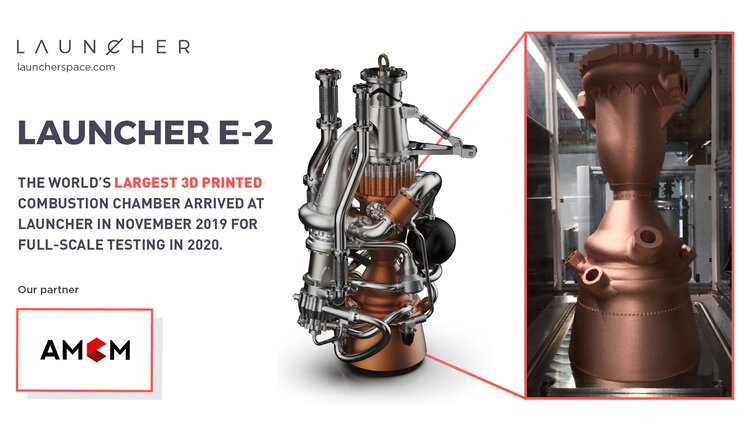
On November 18, 2019, the US private aerospace company Launcher plans to conduct the first comprehensive test of its newly developed E-2 rocket engine. Compared with conventional rockets, the biggest innovation of the rocket is that its engine is equipped with3D printingFor the combustion chamber, the test date is set to mid-2020.
They have successfully tested before3D printingHow is the E-1 rocket engine combustion chamber made?
First of all, design the three-dimensional structure of the combustion chamber (3D data) in the computer. It is worth noting that this structure is designed for3D printingDesigned by the manufacturing process, after the structural optimization design, not only the performance is stronger but also the weight is lighter.
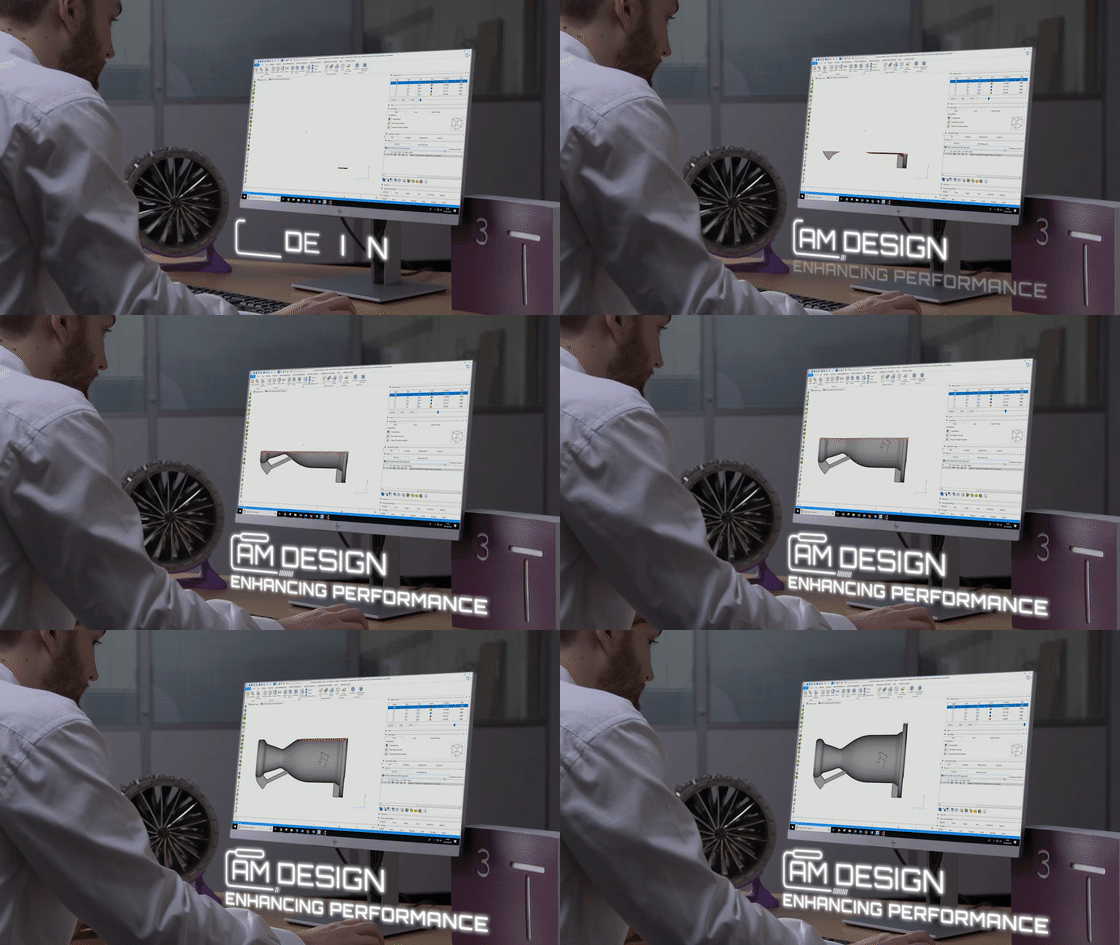
Then, slice the data (convert the designed 3D model data into3D printingMachine can recognize the work instructions), imported into the metal3D printingIn the machine.
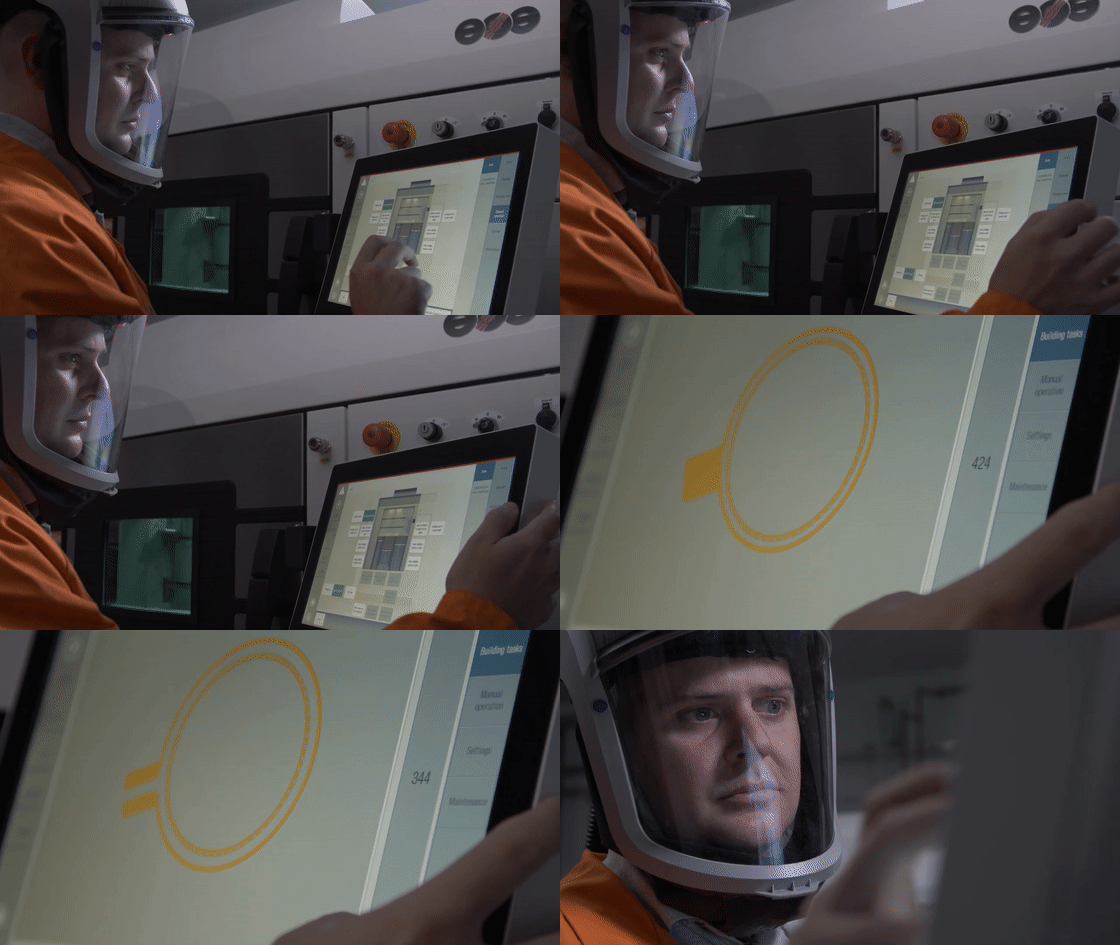
After all the required copper alloy powder materials are ready, we begin to enter the exciting3D printingIn the link, the laser is used to melt the powder layer by layer. After each layer of metal powder is melted, a new layer of powder is spread, and then continues to melt and accumulate until the printing is completed.
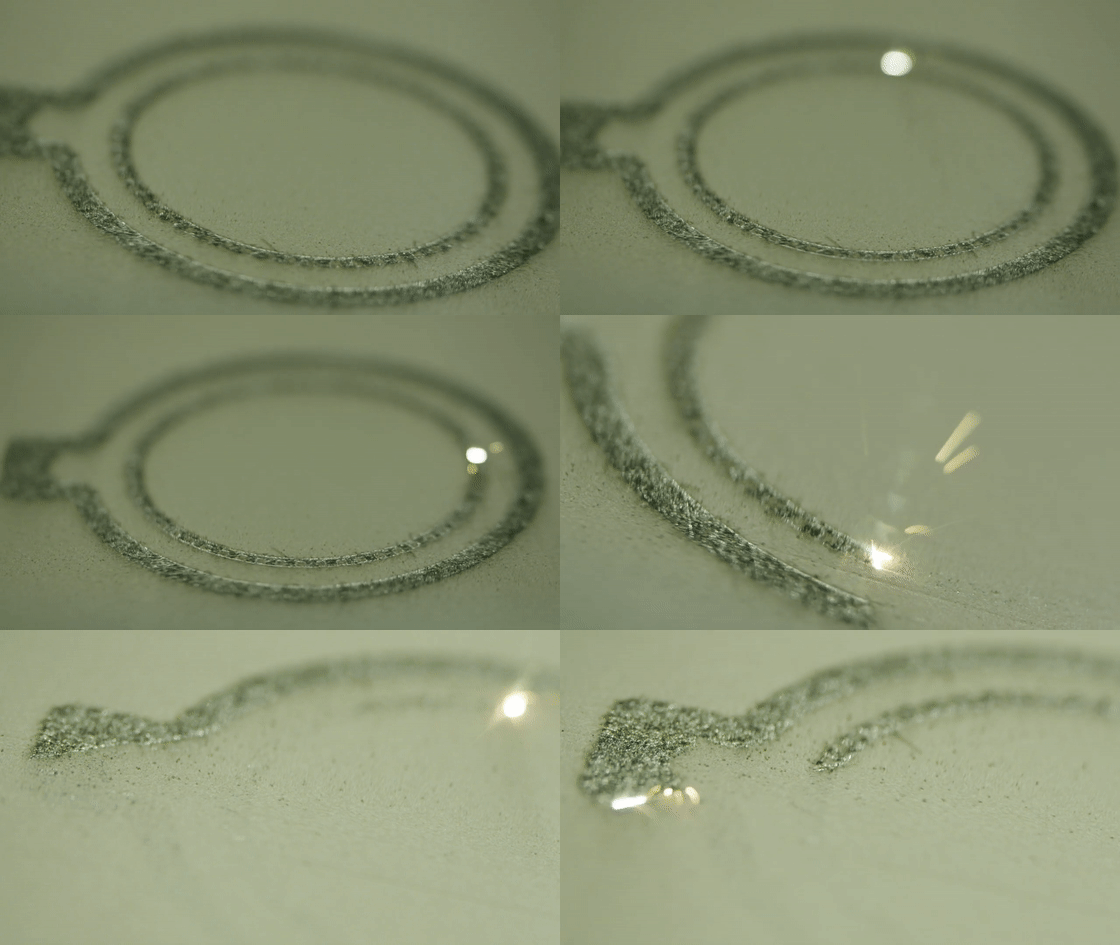
After the printing is completed, remove the excess metal powder material around the combustion chamber.

3D printingThe basic structure of the combustion chamber has been completed
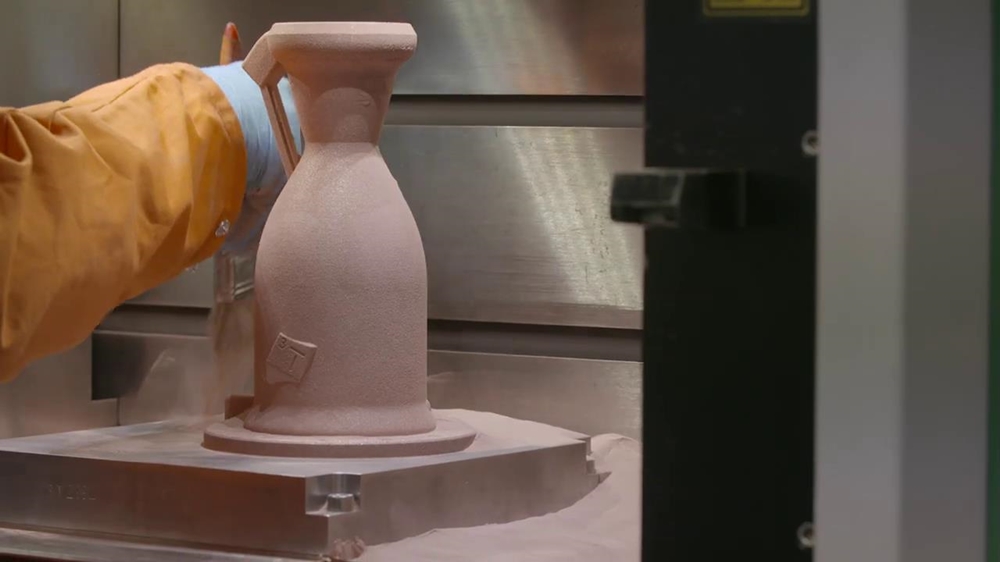
And then make preliminary measurements

At this moment3D printingThere are still many internal stresses inside the combustion chamber mechanism, which requires high-temperature annealing treatment.

After annealing, the performance of the combustion chamber is further improved. At this time, it is necessary to remove the support structure formed on the surface during laser fusion printing.
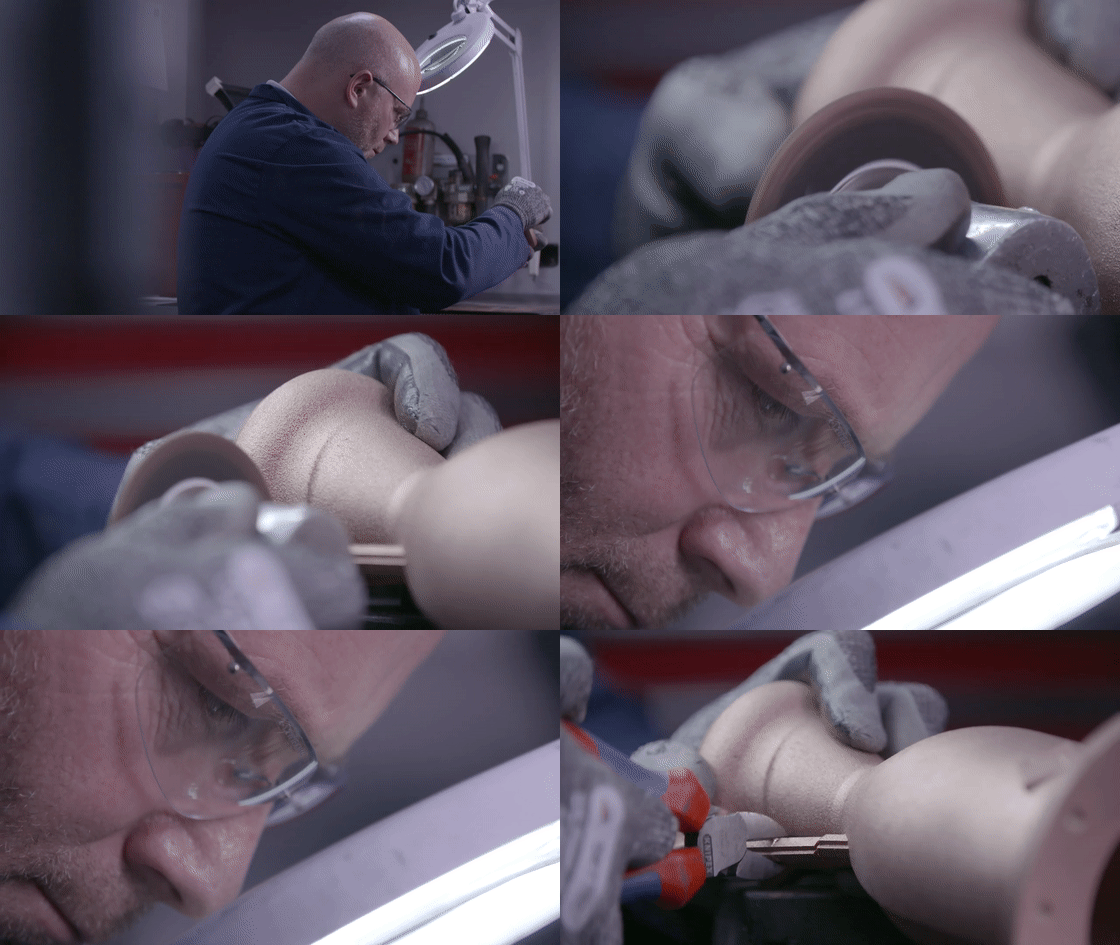
The surface sandblasting process makes the combustion chamber have a smoother surface.

Next, put the combustion chamber into the CNC machining center (subtractive manufacturing process) for drilling
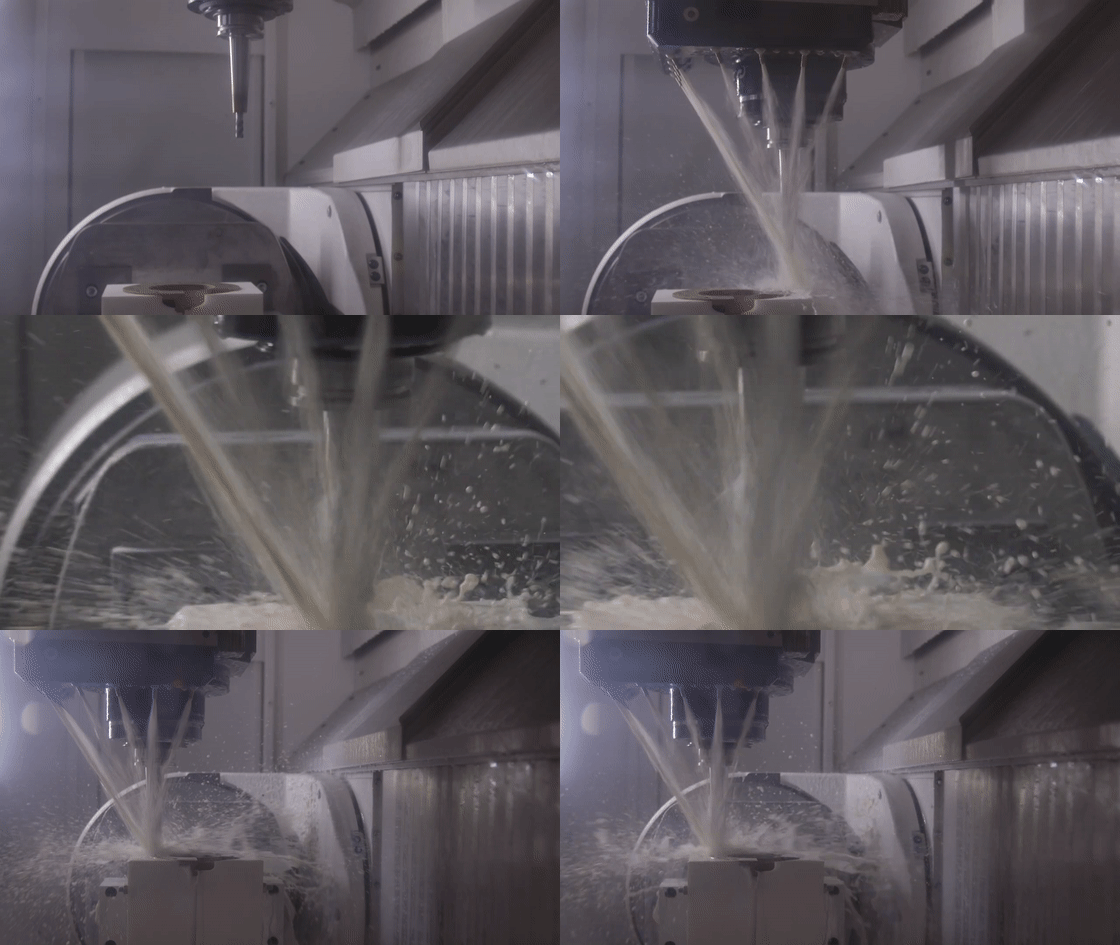
Use a three-coordinate measuring instrument to detect the dimensional accuracy of the combustion chamber to ensure that the final size of the workpiece meets the requirements of use.
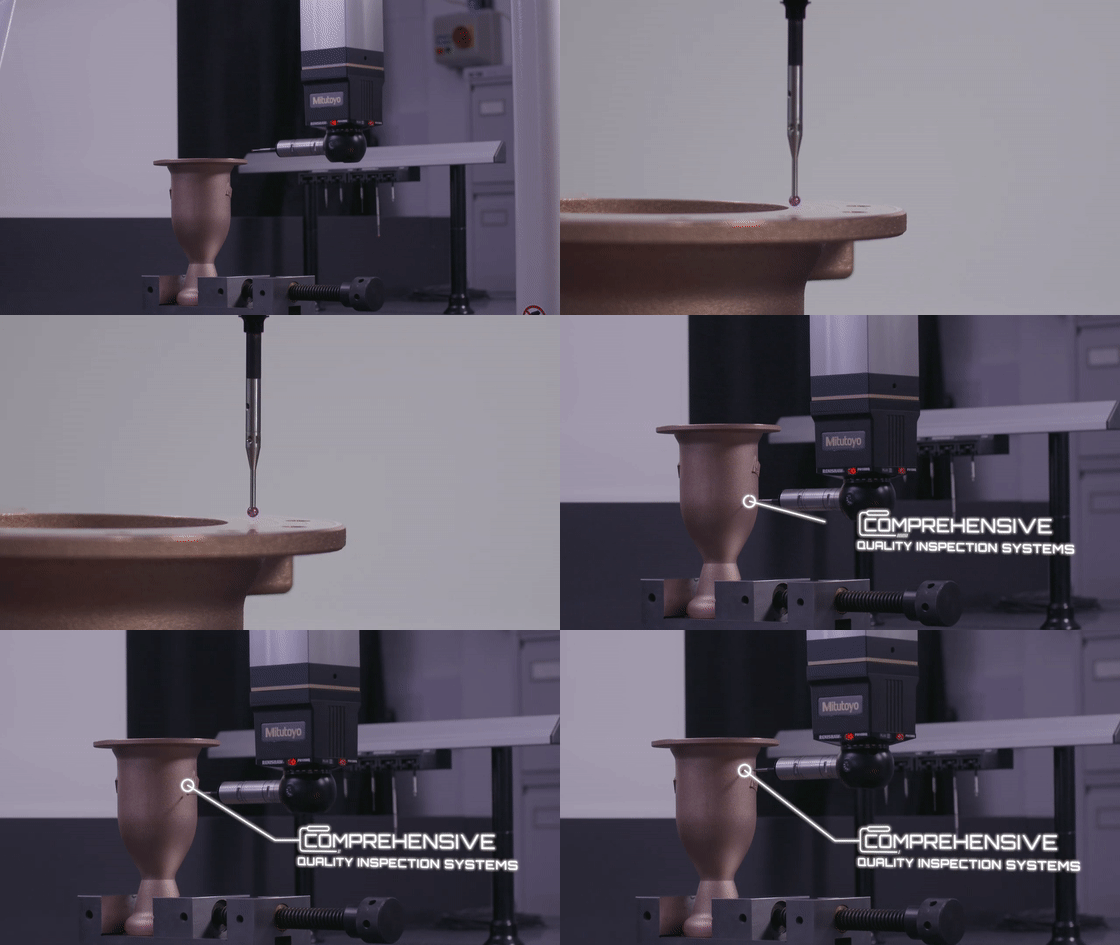
A three-dimensional scanner scans the final combustion chamber and obtains its 3D data in reverse.

After all the post-processing work and measurement work are completed, it is about to enter the more exciting test link, and the combustion chamber is fixed on the test frame.
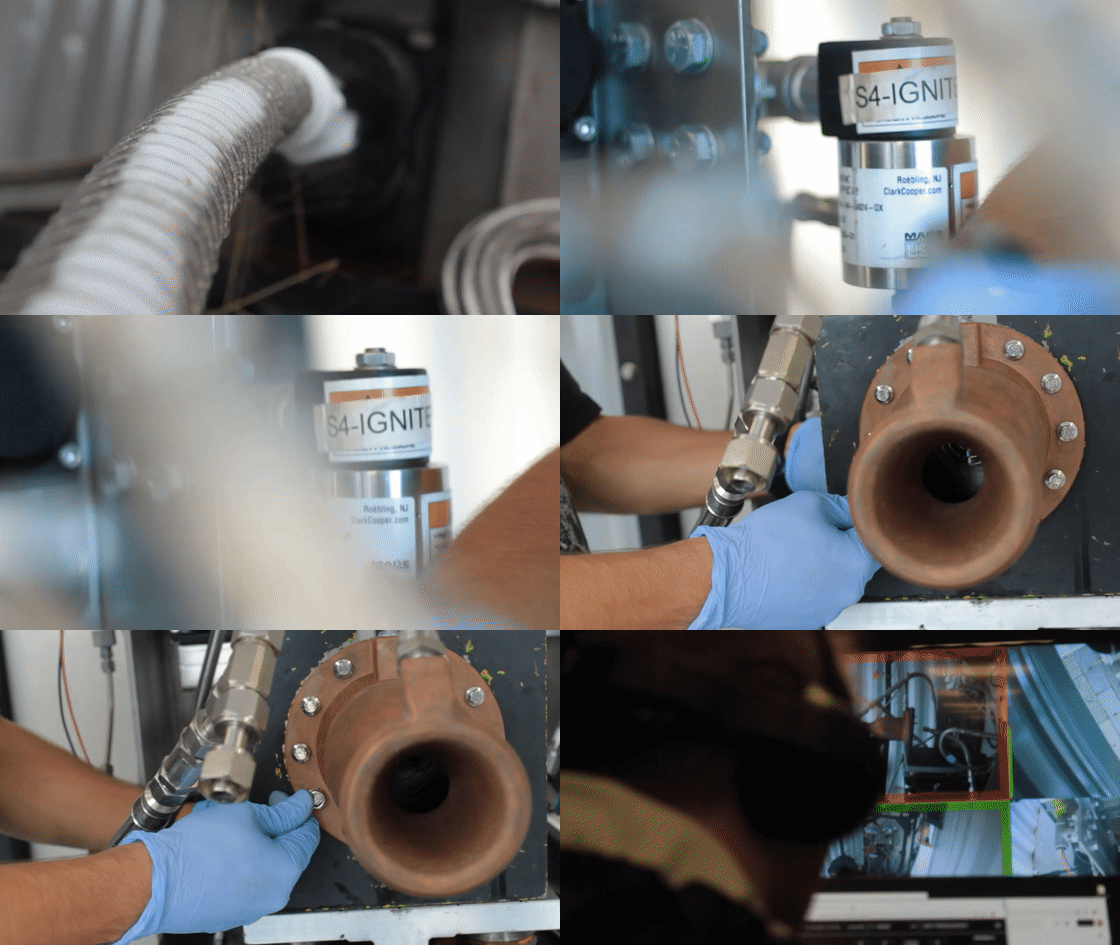
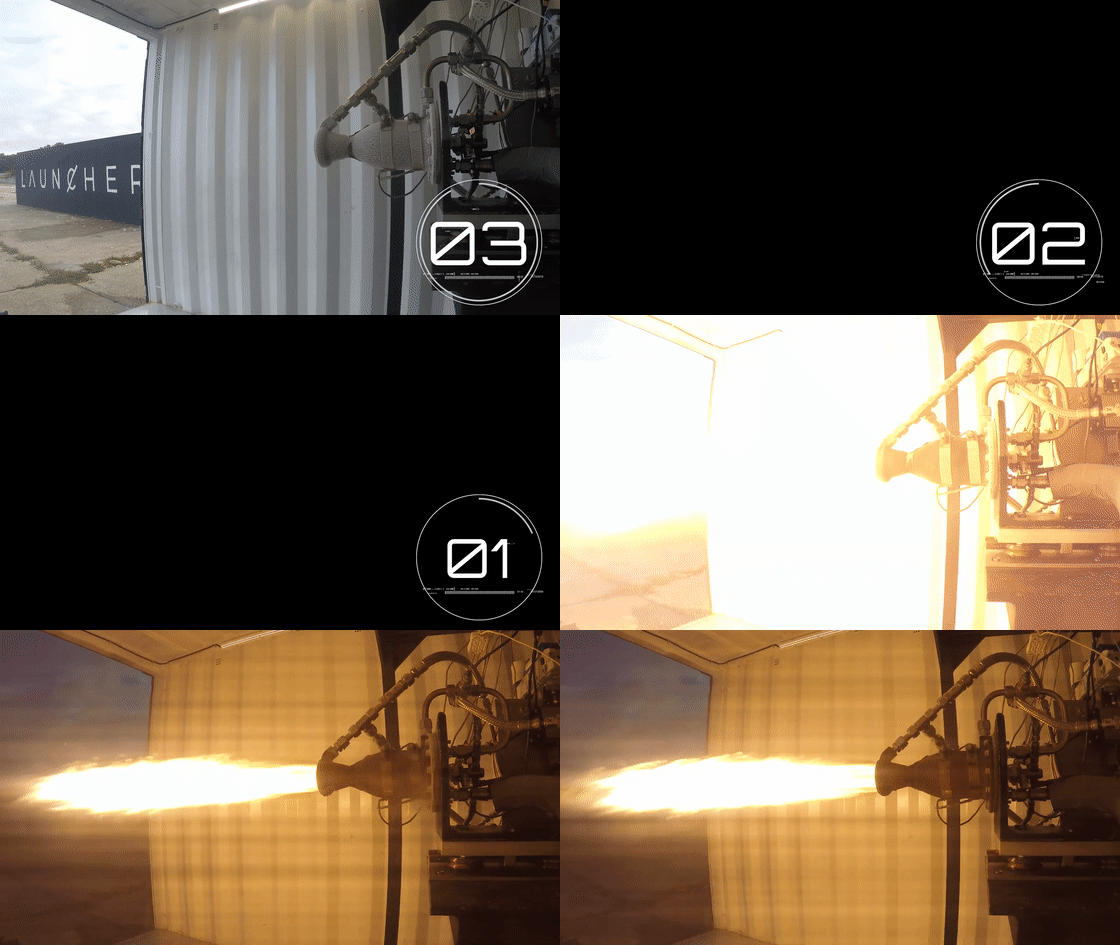
Count down to 3 2 1, and start the test.
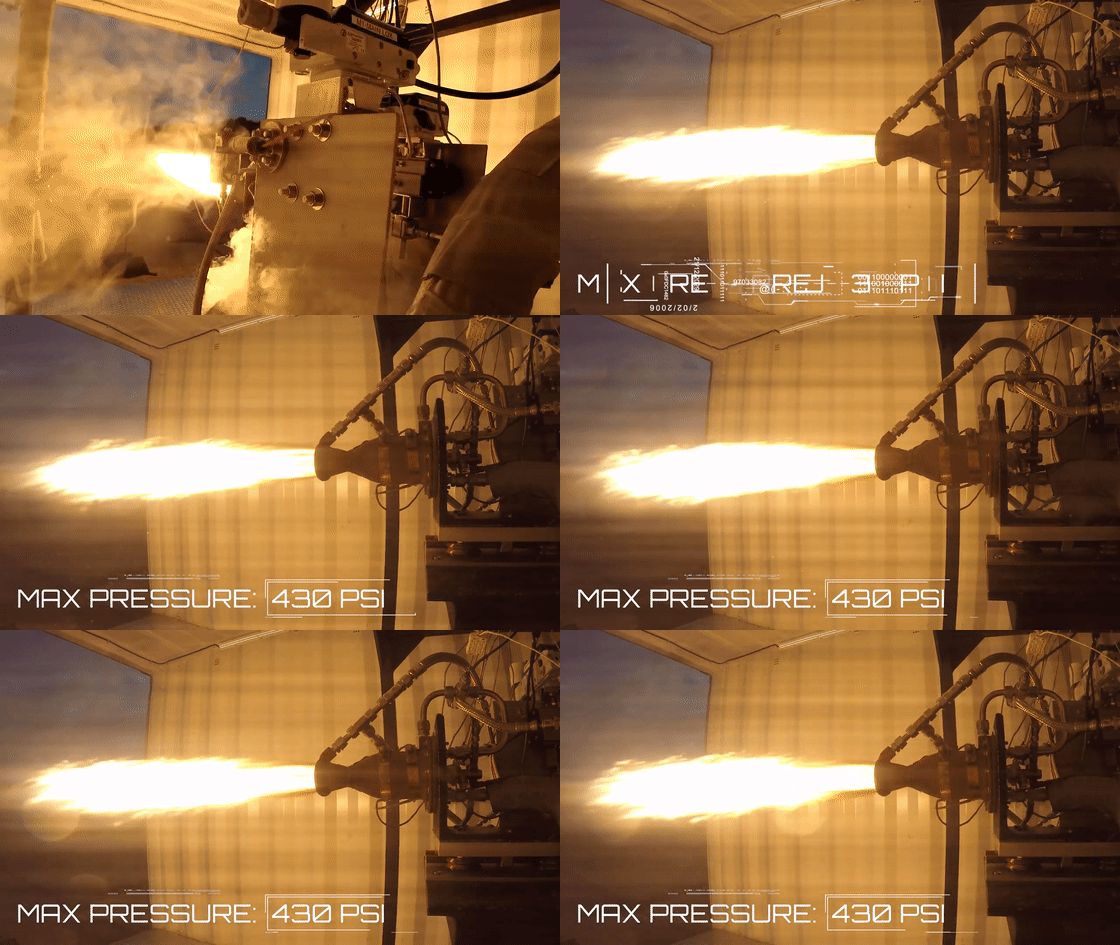
This3D printingThe copper alloy E-1 rocket engine combustion chamber manufactured by the technology has been tested, the thrust reaches 2.77KN, the maximum pressure: 430PSI, the maximum chamber temperature: 3600KELVIN.
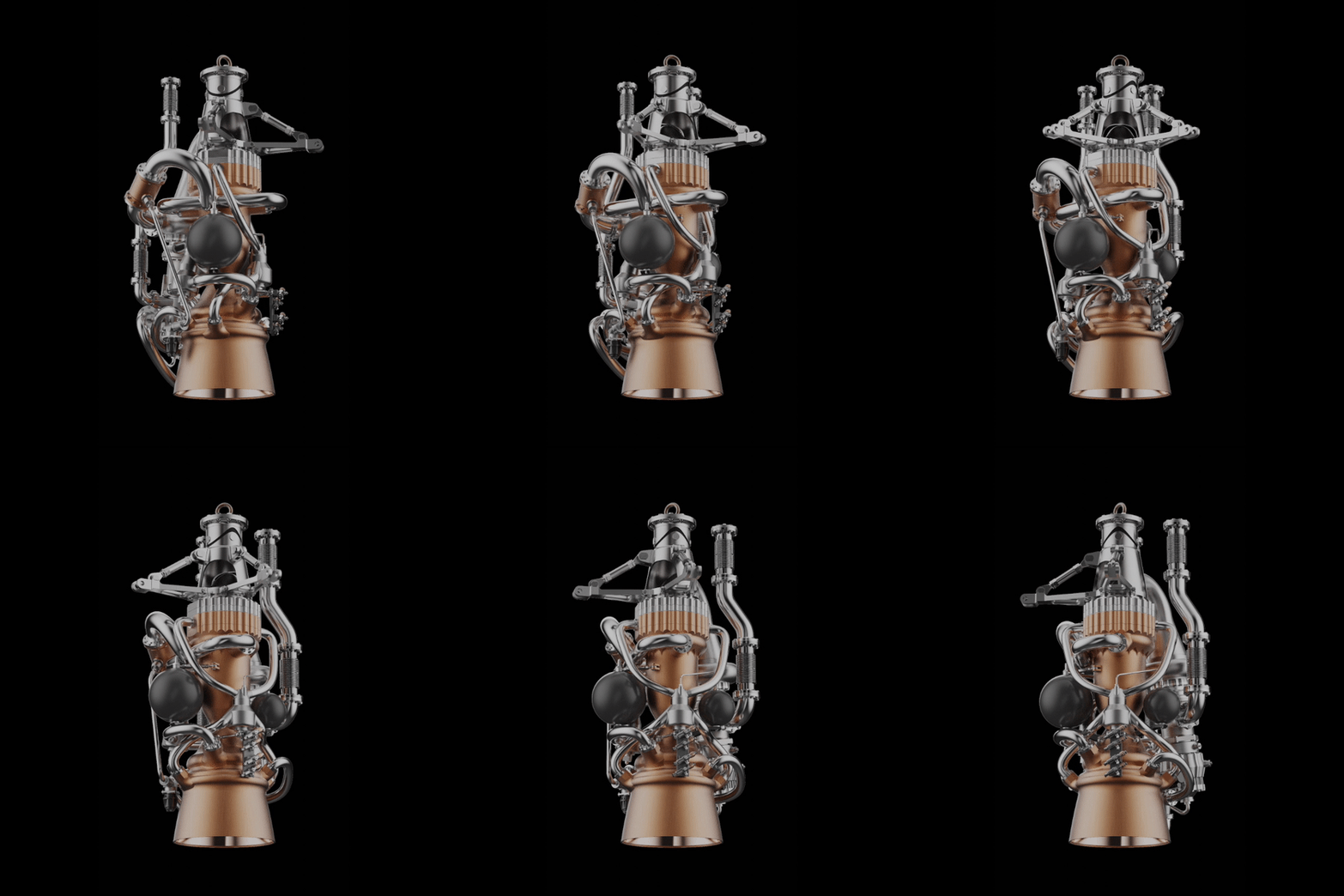
What will be tested in 2020 is the latest upgraded E-2 engine. Launcher Engine-2 will be the highest performance engine in the small satellite launcher class-with the largest thrust, the lowest propellant consumption and the lowest cost per pound of thrust.
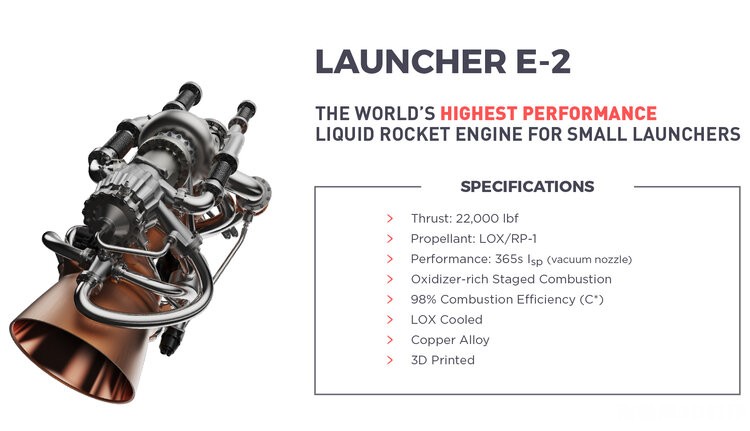
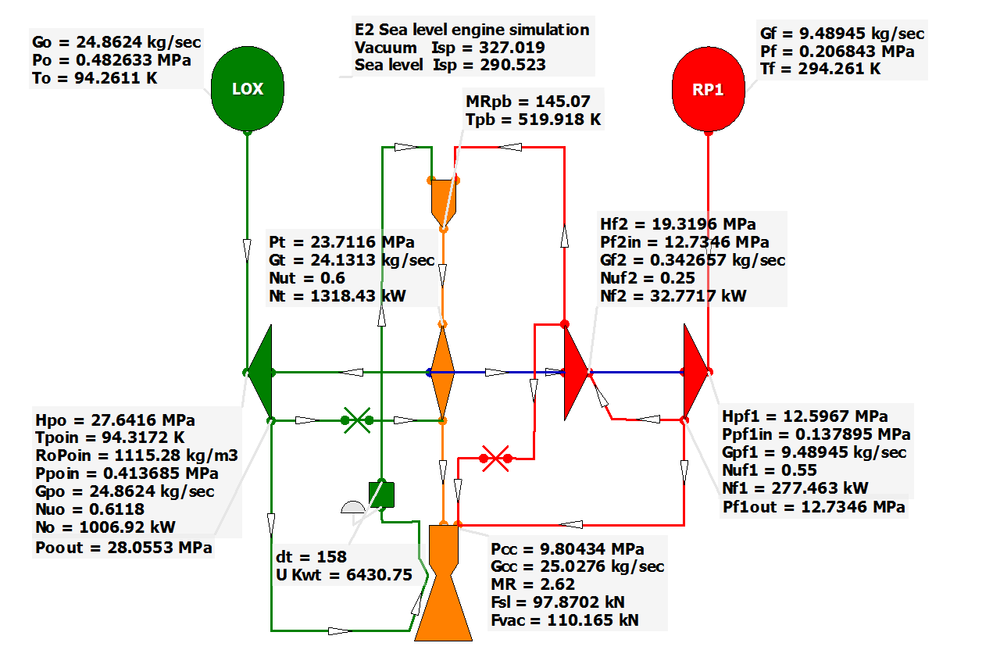
Each engine produces 10 tons of thrust (22,000 lbf), and four Engine-2 liquid rocket engines will power the first stage of Rocket-1. The fifth Engine-2 engine optimized for vacuum will power the second stage.
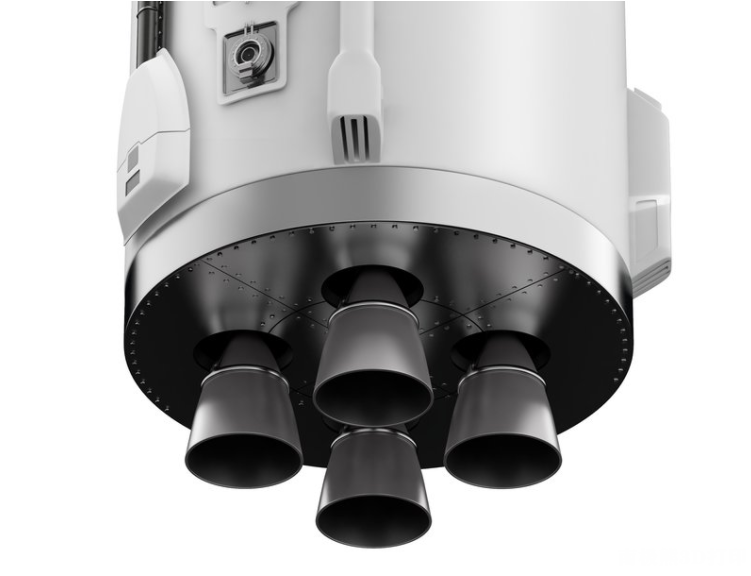
Engine-2 or E-2 can also be sold to commercial and government customers for integration with their own launch vehicles.
3D printingThe E-2 engine combustion chamber is manufactured by AMCM under the EOS Group. This part is said to be the largest in the world3D printingSingle component of liquid rocket engine combustion chamber.
Launcher was established in Brooklyn, New York in 2017. It is an aerospace start-up company. The Rocket-1 launch vehicle they developed is 20 meters (65 feet) high and can transmit satellites weighing 773 kg (1,704 lbs) to low altitudes. Earth orbit.
Initially, the company partnered with EOS to use copper alloys in 20183D printingThe base of its E1 proof-of-concept engine, the E-1 engine is Launcher’s first-generation liquid oxygen-cooled combustion chamber.Later, Launcher developed the liquid oxygen and kerosene E-2 engine in 2019, and chose to cooperate with AMCM for engine production3D printingCombustion chamber. E-2 engine uses high-performance copper alloy3D printingWith a height of 860 mm (34 inches) and an exit nozzle diameter of 410 mm (16 inches), it requires less propellant to enter orbit, so that the launcher can carry more satellite cargo per rocket, which is more expensive than the competition The opponent is lower.
Launcher received a $1.5 million award from the U.S. Air Force Center for Space and Missile Systems (SMC) on November 5, 2019 (Air Force Space Day).
(Editor in charge: admin)
0 Comments for “How is the world’s largest 3D printed rocket engine combustion chamber made?”