

China3D printingNet October 6th, before most of us don’t know3D printingIn the past decades of technology, the military has been advancing3D printingCraft. Now, the 4D Bio3 program (supporting the US military) of the Geneva Foundation and the Uniform Service University (USU) has completed a pilot project around tissue engineering aimed at the harsh military environment.
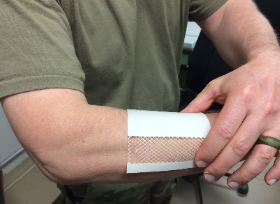
3D printing
Bandage” alt=”biology
3D printing
Bandage” />
biology3D printingbandage
The goal is to manufacture medical products and to further study the next generation of treatment methods for fighters engaged in field operations.Although it has shown so much3D printingThe advantages can already be used in the military-from on-site weapon maintenance to uniforms and even food, but changing organizations in remote areas is a new concept-but one of the most important is to provide immediate care for the wounded or sick.
These types of next-generation treatment methods mean that patient care can be provided on demand, away from any hospital or medical center. The new program 4D Bioprinting, Biomanufacturing and Biomanufacturing (4D Bio3) funded by the federal government encourages further development:
1. Advanced bioprinting
2. Biological manufacturing
3. Prioritize biomanufacturing technology researched by the Ministry of National Defense
The project is led by LTC Jason Barnhill of the Department of Chemistry and Life Sciences at West Point, U.S. Military Academy.
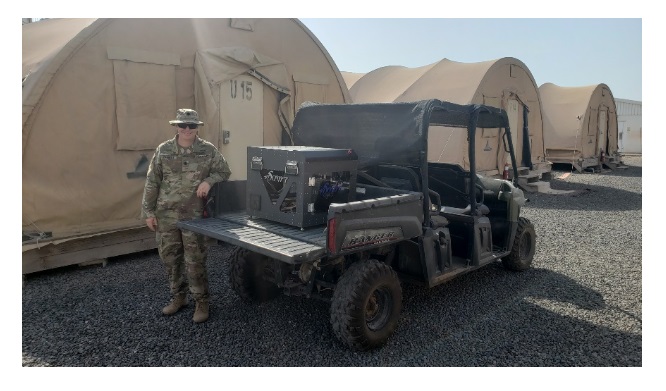
Currently, 4D Bio3 manages a number of tasks, including in the desert3D printingExercises, showing the conduct of external areas and remote areas3D printingAnd the potential for patient-oriented care.The trial included a collaboration between nScrypt and RoosterBio, Inc., which used the Austere BioAssembly Tool (ABAT), a lightweight and robust bioprinter made by nScrypt, inspired by the International Space Station3D printingwork.
ABAT Biology3D printingThe system provides:
1. A variety of materials, including polymers
2. Electrical components
3. Biological agents
So far, the following items have been created in the program:
1,3D printingScalpel handle and hemostatic forceps
0 Comments for “nScrypt bioprinter allows military personnel to 3D print medical products in remote areas”