

China3D printingNet October 15 news, Gracinda Ferreira (transliteration: Gracinda Ferreira) has an interesting concept, you can build buildings on Mars and other places.The goal of her ADAM project is to use automated build tools on the ground3D printingWhen the ADAM project is completed, it is in place and becomes a part of the related house. These are completely different from the “Martian room” we have seen over the years. This is a different solution.
“The project is mainly composed of automated machinery that concentrates all command functions, and has a roughly regular space capsule shape. Two multifunctional arms are connected to the space capsule at opposite positions. The arms pivot horizontally around the capsule and can independently go up and down. Move. They are squeezing limbs that conduct the mixture from the inside of the capsule (the mixed inside) to the construction site. The other two robotic arms are used as suction hoses that will absorb the Martian soil and bring it into the mixing chamber.
“This machineMachineryIt is called “Automatic Deployment and Fixation Mechanism” or ADAM.When deployed on the ground, it will start its3D printingThe function is to construct an in-situ rigid modular structure in the form of an optimal dome, which contains the original mixture of local substances that need to be carried, water and other adhesive additives. “
Water-based systems may have their shortcomings on Mars, but because any materials are very scarce on Mars, the reuse of construction equipment as structural and management components of houses will have obvious advantages. Gracinda believes that this concept is sufficient to apply for a patent, and is seeking partners for this. ADAM will also be “a mechanism, a tool for extracting and processing resources in a continuous manner, ensuring self-regulation, and a sustainable environment that can be self-repaired and rebuilt.”
First, ADAM landed on Mars and drilled a 10-meter hole.
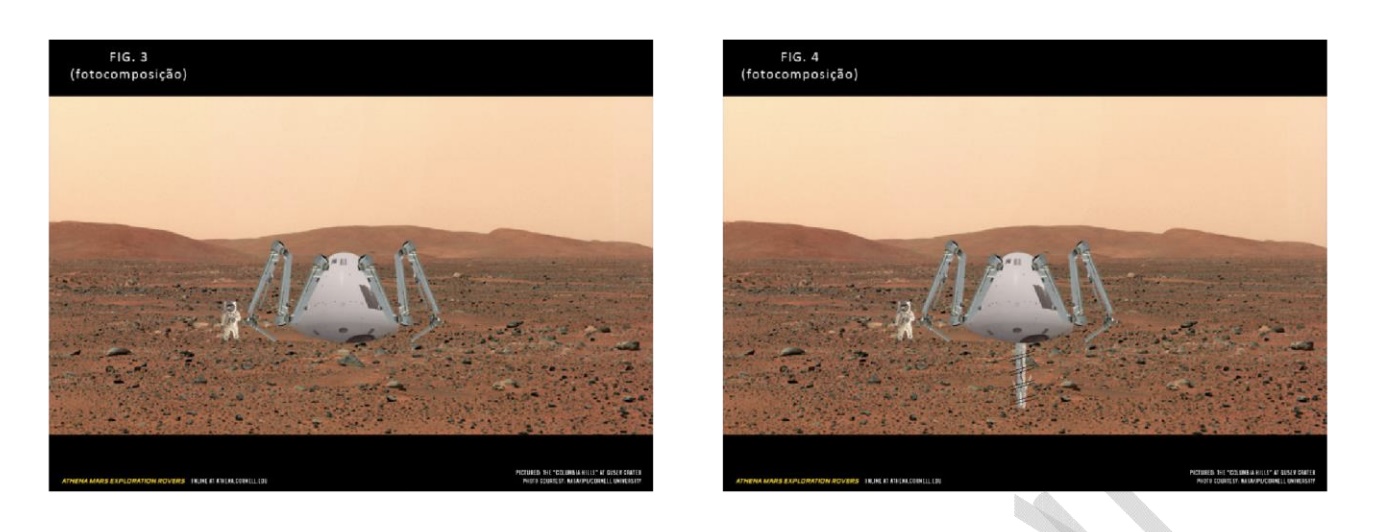
Then, with the aid of the propeller, the rotating shovel will extend outward and dig outward.
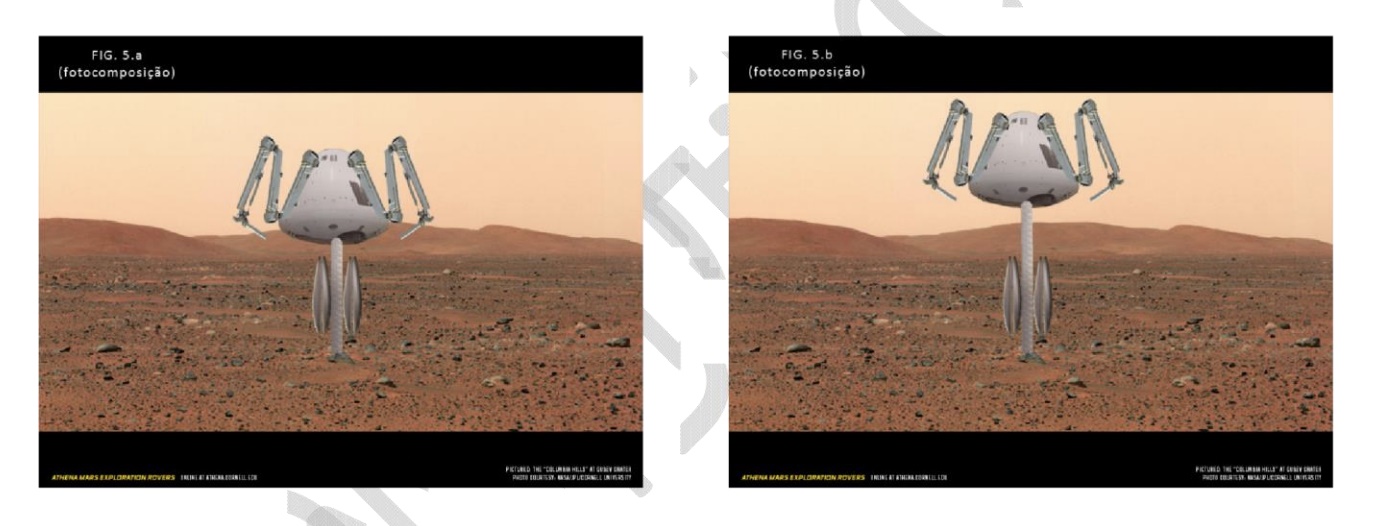
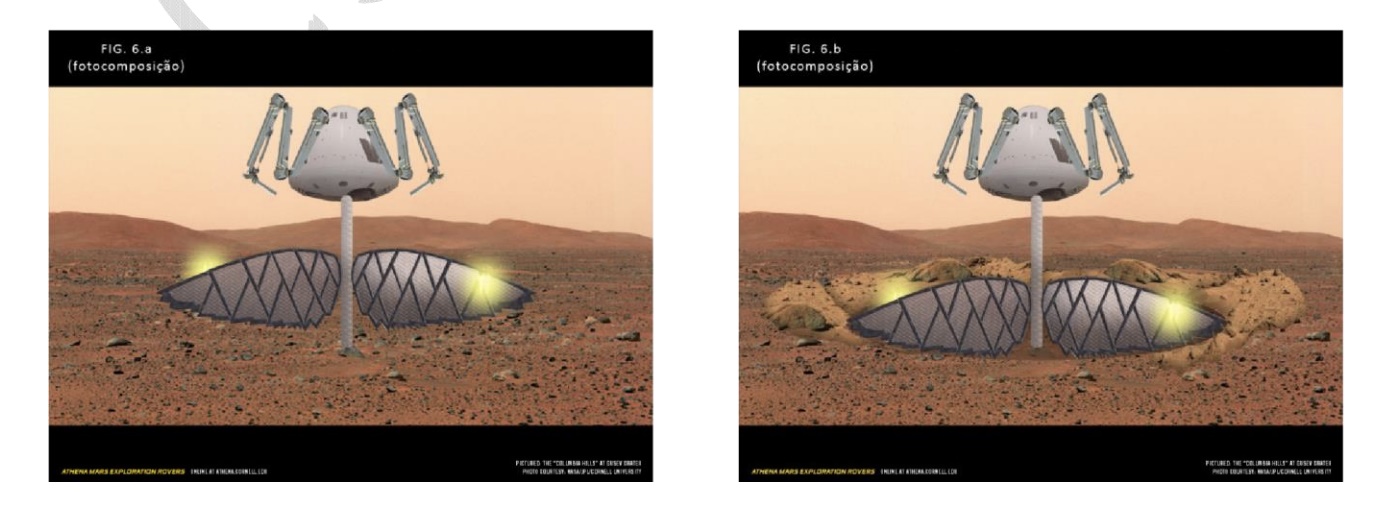
Then Regolith is mixed into concrete form in the equipment and extruded.
Finally, ADAM will carry out3D printing, Encapsulate the balloon.
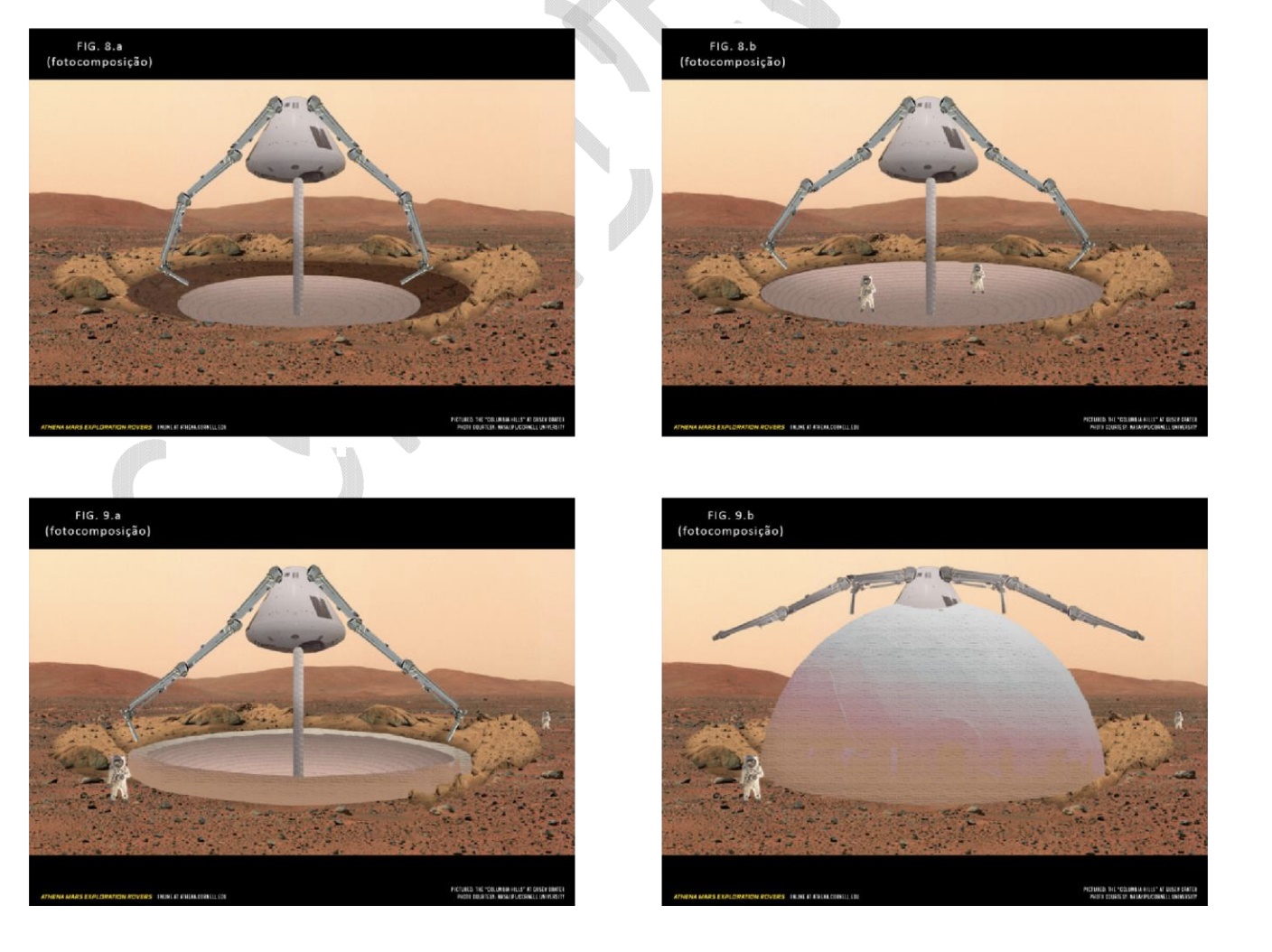
The module itself will provide air and lighting inside the dome, while these arms can be used to hang solar panels or repair or extend the dome at a certain point. What we see is not the construction of a large gantry, but the rebirth of the structure after it is completed. This is very interesting in itself. This concept also encapsulates a self-repairing building that can renew itself, which is very convenient considering the harsh Martian environment.
China3D printingNet original article!
(Editor in charge: admin)
0 Comments for “Scientists study the use of automated construction tools to 3D print buildings on the surface of Mars”