

China3D printingNet September 26, leading3D printingOEM Stratasys and Angel Trains of the British Locomotive Operating Company (ROSCO), together with the engineering consulting company DB ESG in Derby and the train operator Chiltern Railways, have tried out on British trains.3D printingComponents.
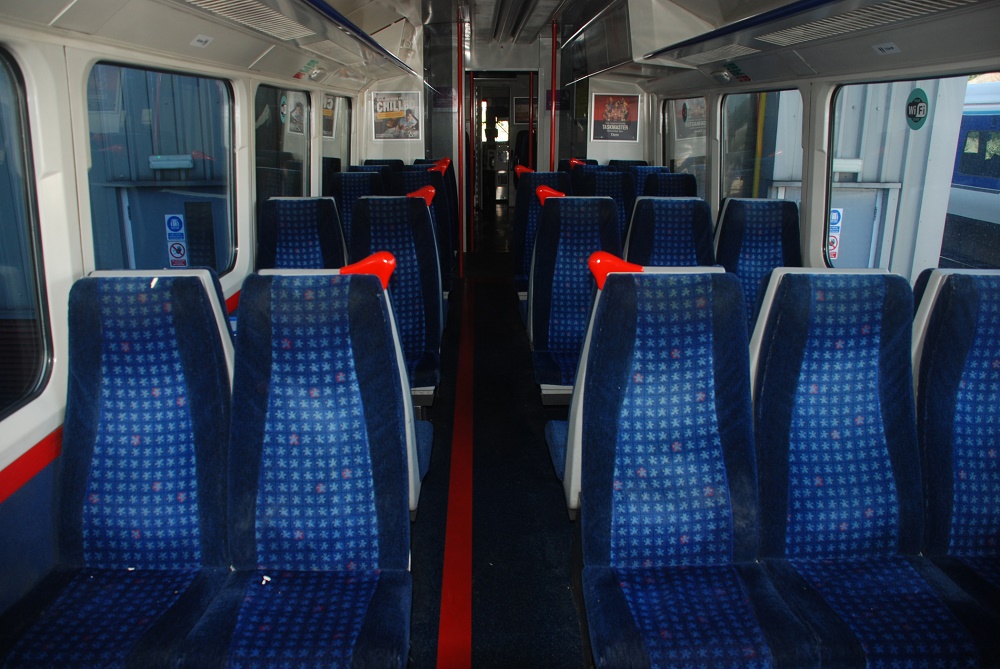
This is the first deployment in the country’s passenger trains in service3D printingComponents, including four armrests and seven handles.They have been successfully installed and tested on Chiltern Railways trains to prove3D printingThe benefit brought to the railway industry is to speed up the procurement process of replacement parts.
“This is an exciting time for the British rail industry,” said James Brown, Angel Trains data and performance engineer. “With this technology, train operators can replace damaged parts more quickly.
Can be produced on demand3D printingReplacement parts, and can be installed immediately. “
3D printing
Parts” alt=”On the Chiltern Railways train
3D printing
Parts” />
On the Chiltern Railways3D printingComponents. Picture from Stratasys.
use3D printingSolve problems in the railway industry
The cross-industry cooperation between Angel Trains, DB ESG and Stratasys started in December 2018, according to China3D printingNet understands that the two companies are cooperating to provide trains3D printingReplacement parts.
As a ROSCO company, Angel Trains owns and maintains railway carriages and engines and leases them to training operating companies such as Chiltern Railway Company, Great Western Railway (GWR) East Midlands Railway Company and Arriva Rail London.
On the other hand, DB ESG is a consulting business owned by Deutsche Bahn, a major European railway company. Deutsche Bahn also cooperates with companies such as GEFERTEC and 3YOURMIND, and will3D printingUsed to replace parts on the train as needed to carry out3D printingspare parts.
The purpose of the tripartite alliance is to take advantage of3D printingTechnology to solve the problem of replacing obsolete parts in the entire British railway industry. These problems include the aging of train components in the railway industry, some of which are said to be more than 30 years old. Therefore, train operators face some challenges in terms of vehicle maintenance and parts replacement.
James BrownExplains: “Recently, operators have become more and more concerned that it is becoming more and more difficult to purchase spare parts for vintage train fleets in a relatively short period of time at a reasonable cost. The problem is that even if the operator may only need to replace some obsolete train parts, Traditional manufacturing methods can only make it cost-effective to produce a large number of spare parts. In addition, the delivery time may take several months.”
3D printing
Handrails” alt=” on the Chiltern Railways
3D printing
Handrail” />
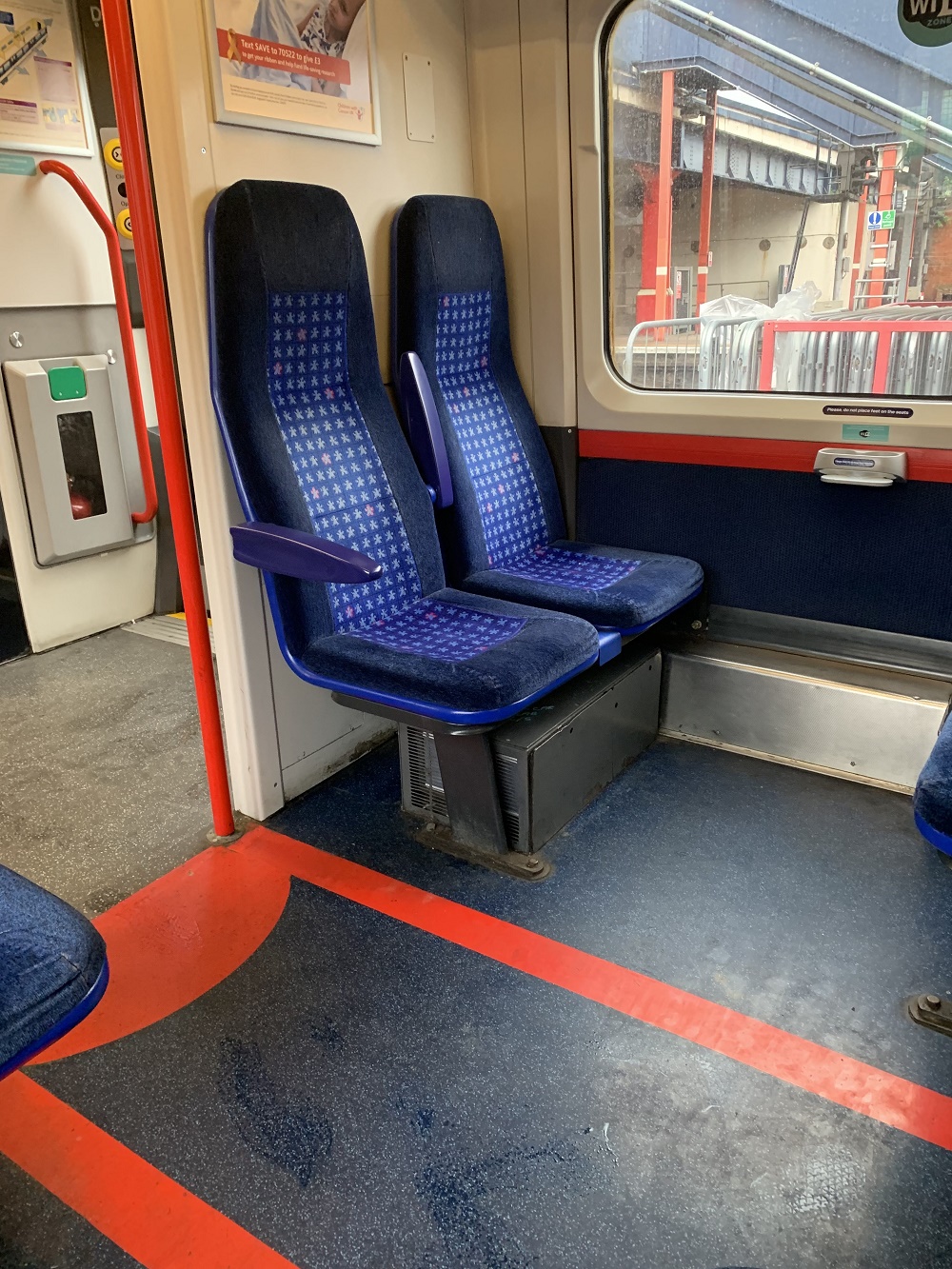
On the Chiltern Railways3D printingarmrest. Picture from Stratasys.
Stratasys FDM saves time and money for train operators
3D printingIt enables train operators to find replacement parts more quickly, thereby reducing the time it takes for the train to be put back into service. At the same time, it can also improve the maintenance of trains and the quality of passenger service. Angel Trains, DB ESG and Stratasys hope to prove this. “This is why we have partnered with DB ESG and Stratasys to show how operators can use3D printingTo produce the required number of parts to overcome these obstacles, but the required parts and time are a small part of the traditional method. “Brown added.For example, the current delivery time for handrails served by Chilte Railway Company using traditional manufacturing methods is about four months. Use Stratasys FDM 3D printing, The same armrest can be manufactured within a week, thus shortening the delivery time by 94% and saving up to 50% per part.
In addition, since the original supplier of Angel Train has ceased operations, it is difficult to find a procurement handle. To manufacture the parts on its own, the company would have to spend as much as £15,000 (US$18,587), because it requires investment in new manufacturing tools. The production lead time of this part will also be two and a half months.However, all 7 grips were used within 3 weeks3D printingProduced, the cost per piece is lower.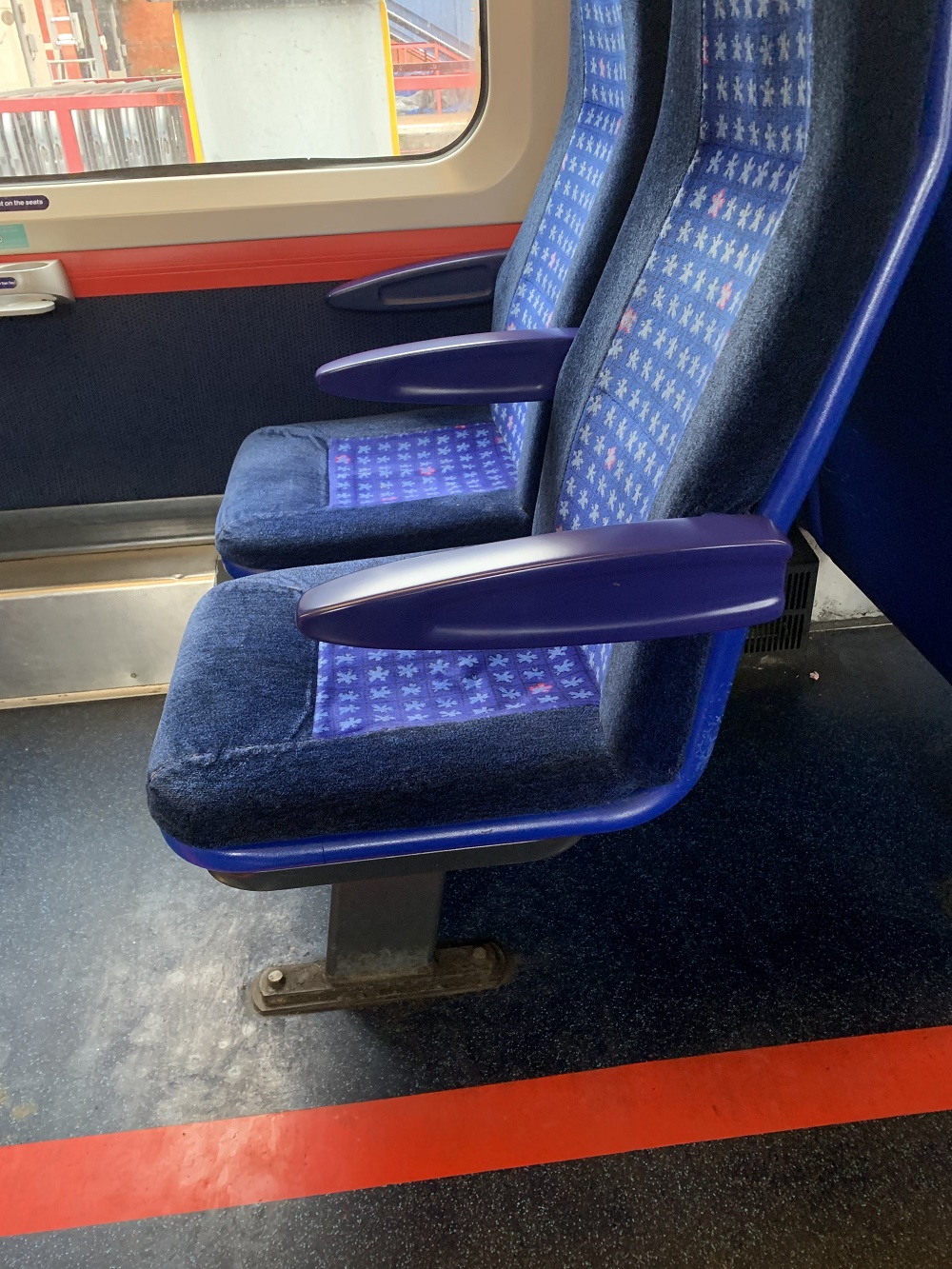 3D printingHandrails” alt=”On the Chiltern Railways train3D printingHandrail” />
On the Chiltern Railways3D printingarmrest. Picture from Stratasys.
DB ESG is responsible for testing a series of industrial grades3D printingMaterials to ensure that they comply with the British Railway Industry Standard EN45545-2. Use Stratasys Fortus 450mc 3D printingThe machine performs the final iteration of the part in ULTEM 9085 resin3D printing. The material has passed the railway industry’s fire-proof, smoke-proof and anti-virus standards certification. Martin Stevens, DB ESG Mechanical Engineering Manager, commented: “Achieving certification eliminates obstacles to wider implementation on British trains.3D printingThe main obstacle.
China3D printingOnline reviews:
The success of this test means that the group has3D printingThe parts create a repeatable production process. Stratasys, DB ESG and Angel Trains are now planning the next trial at Great Western Railway.In the next few months, will3D printingThe parts are integrated into a series of trains.These three companies are still studying3D printingHow to make customized interiors more suitable for passengers.For example, two companies have tested3D printingOn the backrest table of the restaurant, important information with a bit printed on it, such as the location of the bathroom.This kind of customization is unprecedented, only through3D printingOnly before it can be used, it is possible to greatly improve the service of trains and the experience of passengers in the future.
China3D printingNet original article!
(Editor in charge: admin)
0 Comments for “STRATASYS installs the first batch of 3D printed parts on British trains”