

China3D printingNet read on September 20th, since August,BIOLIFE4DAfter posting a lot of trailers on their social media platforms, they finally announced one of the company’s biggest milestones: they successfully3D printingA small heart. But how small is the mini heart? In fact, it is about a quarter of the human heart.biology
3D printingThe capabilities of the mini heart now provide biotech companies with a roadmap to achieve their ultimate goal: bioprinting a full-size human heart that can be used for transplantation.
Compared with the full-size heart, the mini heart replicates some of the functional indicators-as close as possible to pass3D bioprintingGenerate a fully functional heart. The scientific milestones were completed at the company’s JLABS research facility in Houston, led by Ravi Birla, Chief Scientific Officer of BIOLIFE4D.
“The functional performance of our mini-heart is different from that of a normal mammalian heart, although this is the future goal of research.” Birla explained. “Our mini-heart is designed to be used for drug cardiotoxicity screening, which means it must achieve The standard is lower than that required for a viable organ transplant. This is why our mini-heart performance requirements do not need to imitate a fully functional animal heart at this point.”
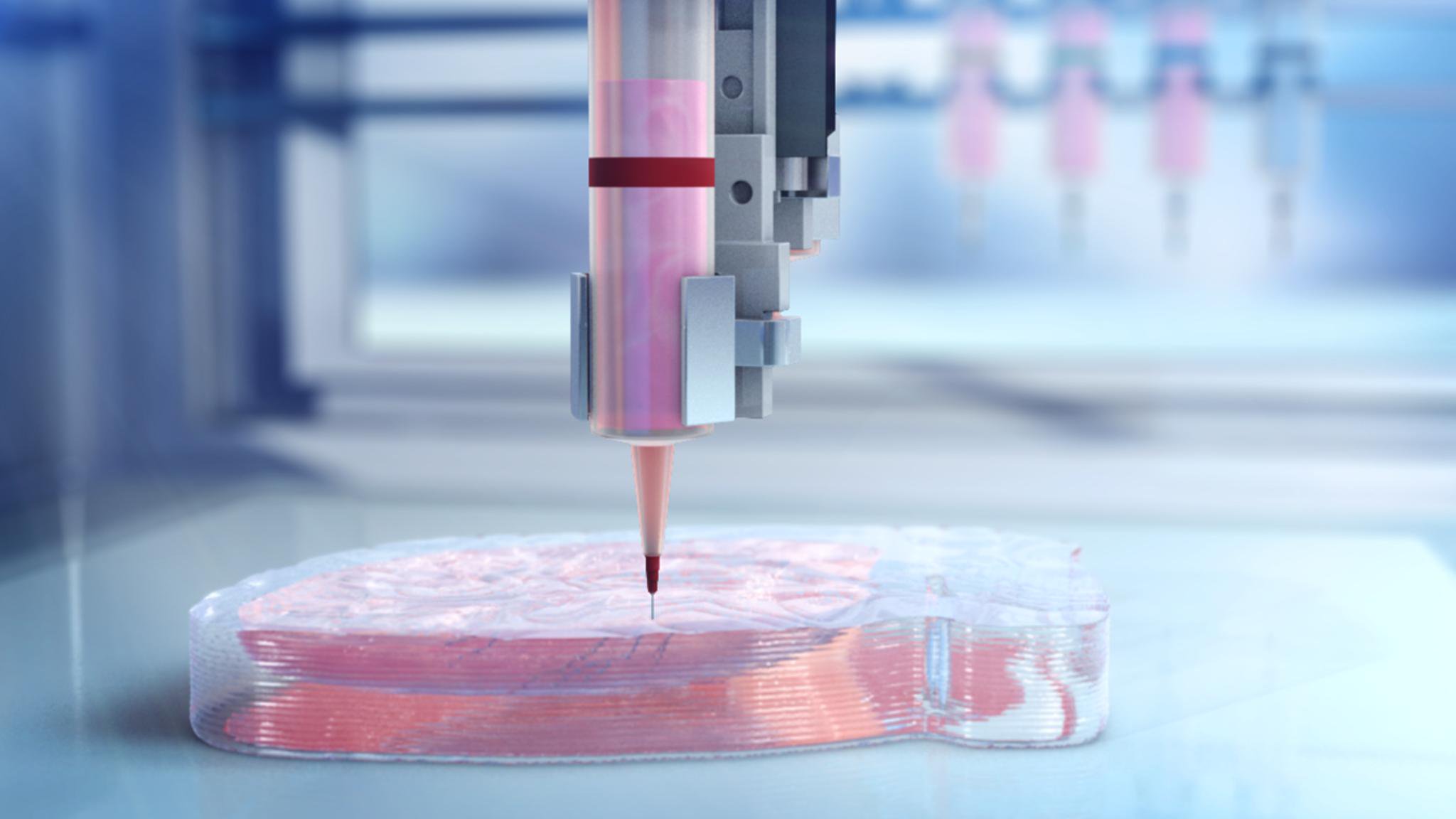
Bioprinting at BIOLIFE4D
“As we develop, we will optimize our bioink and the bioprinting parameters required for optimal functional performance,” said the expert, who had previouslyIn houstonServed as Deputy Director of the Stem Cell Engineering Department of Texas Heart Institute.
How did they do it? The first on their list is to use a very specific composition of different extracellular matrix compounds to develop a proprietary biopolymer that closely replicates the characteristics of the mammalian heart. Bioink still does not have an official name because it was developed in-house, and currently, it is currently only available for BIOLIFE4D.
Then, they began to create a novel and unique bioprinting algorithm, including printing parameters optimized for the entire heart. BIOLIFE4D combines its proprietary bioink with patient-derived cardiomyocytes and its bioprinting technology to bioprint the heart. Birla suggested that because of the strategic partnership they have developed, they can access and use most commercial printers on the market, but the Mini Heart is basically bio-manufactured using CELLINK INKREDIBLE+ in their laboratory.
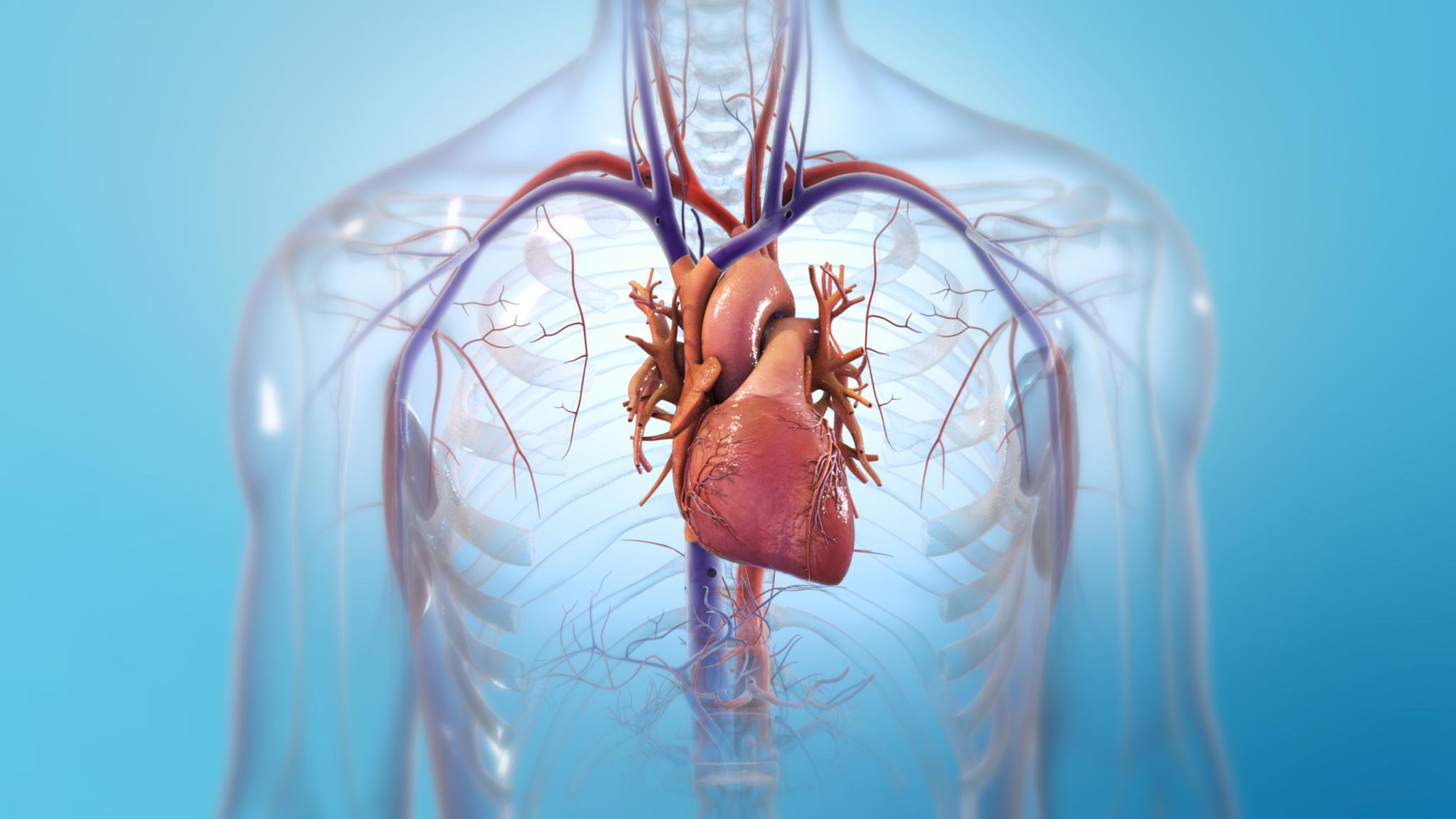
Those who are lucky enough to undergo donated heart transplants are actually just replacing one disease with another. Donor hearts will save their lives, but in order to prevent rejection, patients need to take a lot of immunosuppressive therapy, which poses many major challenges for patients. By bioengineering the heart from the patient’s own cells, we eliminate the need for immunosuppressive therapy, which can provide patients with a better quality of life.
With this platform technology, BIOLIFE4D can now be built on its foundation, and is committed to developing a full range of human heart. This latest milestone also makes the company one of the top contenders at the forefront of full-hearted bioengineering, a field that is developing rapidly.
However, in addition to the scientific advancement represented by the Mini Heart, this is also an opportunity for the pharmaceutical industry and drug discovery companies to provide new tools for cardiotoxicity testing of new drugs and compounds. So far, models used to predict the cardiotoxic effects of new drugs or compounds are basically limited to animal models. But BIOLIFE4D intends to eventually provide a mini-heart as a more reliable model for predicting cardiotoxicity, claiming that there is no better predictor of the human heart’s response than the human heart. This is also an opportunity to reduce the number of animals used for testing purposes, as this has been banned in many areas, including India, the European Union, New Zealand, Israel and Norway.
“We have worked closely with companies that provide cardiotoxicity testing services for the pharmaceutical and drug R&D industries. All drugs, new compounds, and any other substances that currently undergo cardiotoxicity testing requirements before entering the human market may become candidates for mini-heart . After all, what can provide a better predictive model and how will the human heart respond to the human heart (albeit a reduced version)?” Birla revealed.
Although BIOLIFE4D has not been able to reproduce all the functions of the human heart, the mini heart has many characteristics of the human heart.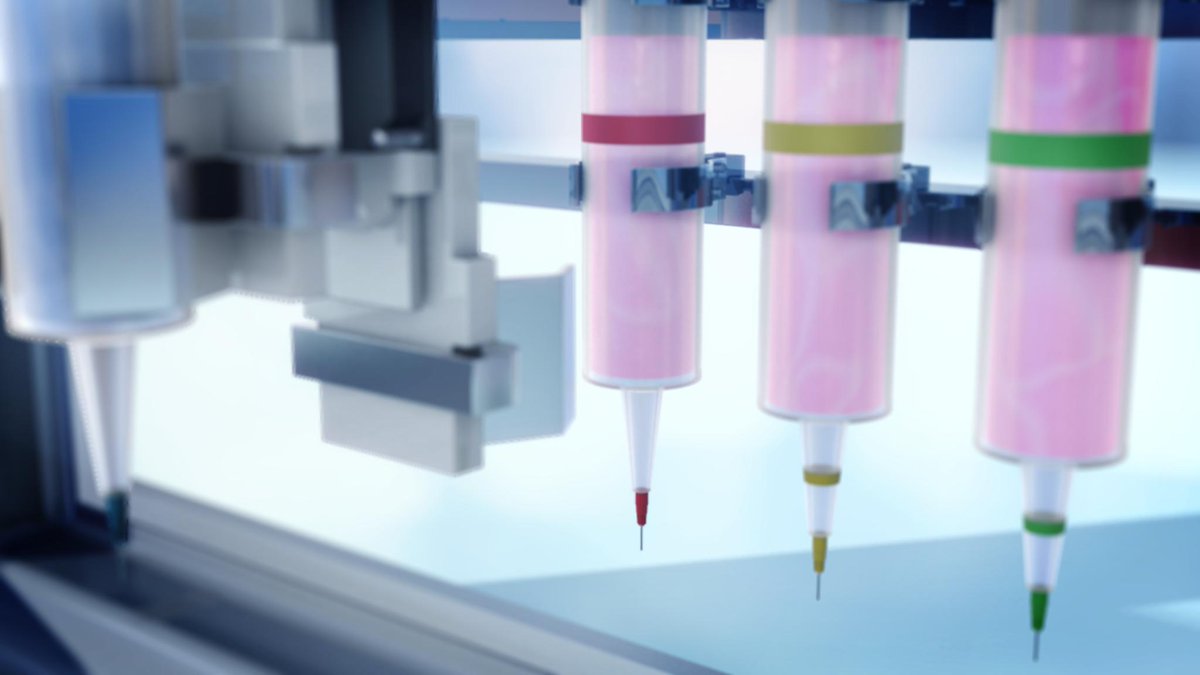
“Although we have a bioengineered mini-heart, this is a major achievement in itself, and significant progress has been made in the entire field of cardiac engineering, bringing us closer to bioprinting a human heart for transplantation, but this achievement does not provide us with a specific time. -Lines or important guidance on when a fully functional heart can be obtained.”According to Birla, due to the complex three-leaf geometry, the human heart3D printingThe most difficult part is the valve. But as they begin to scale up, they can expect that the complex vasculature needed to maintain organ vitality can be a huge challenge.
Birla firmly believes that “the algorithm used as the basic part of the mini-heart may change the way laboratories bioprint organs in the future. We use very specific and highly customized printing parameters to bioprint our mini-hearts customized for the laboratory and for specific purposes. Some The process can eventually be used for the bioengineering of other organs, but the whole process of our bioengineering human heart is unique to a heart.”
One of the great advantages that BIOLIFE4D enjoys is that they can establish strategic partnerships with major research institutions and hospitals, enabling them to use some of the most advanced facilities and equipment. However, due to the high degree of confidentiality of its work, most of it is done in-house in the laboratory and their own researchers.
China3D printingComments:
The successful display of the Mini Heart is the latest achievement in a series of scientific milestones of BIOLIFE4D, as it seeks to produce the world’s first transplantable3D bioprintingHuman heart.As early as 2013, they successfully performed various cardiac components3D bioprinting, Including valves, ventricles, blood vessels, and in June 2018, they3D bioprintingHuman heart tissue (heart patch).
They are innovative3D bioprintingThe process can reprogram the patient’s own white blood cells into iPS cells, and then differentiate these iPS cells into3D bioprintingThe different types of heart cells required for a single cardia component will eventually be transplanted into a viable human heart.
At BIOLIFE4D, they know that there are still challenges on the path of transplanting a full-size human heart. However, this achievement indicates that they are on the right path. They emphasized that their success, and the significant progress they have made, is the result of an incredible team effort, a project of multidisciplinary researchers from bioengineers to life scientists. Their team is made up of people with specific skills and areas of expertise, and they all strive to bring this incredible life-saving technology to the market in the shortest possible time.
China3D printingNet original article!
(Editor in charge: admin)
0 Comments for “US Biolife4D Bio 3D printed heart used for cardiotoxicity test”