

China3D printingNet December 13th, so far, a total of 565 people have entered space. However, with the long-awaited commercial flight next year, this situation may soon change. After years of delay, Virgin Galactic recently announced that 2020 will finally be a week for anyone (that is, someone who can pay $250,000 for tickets) to view the Earth from space. This is what Richard Branson, the philanthropist, space lover, and founder of Virgin Group really wants: non-astronauts have the opportunity to visit our planet from space.
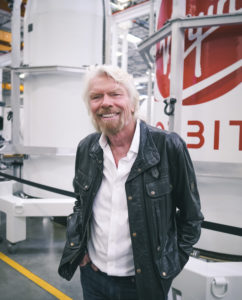
Richard Branson (Richard Branson) at Virgin Orbit, California
As early as 2016, Branson expressed the hope that “millions of people are willing to become astronauts and have the opportunity to go to orbit.
If we can make it environmentally friendly, if we can make it affordable, and we can make it safe, then you have a chance to get into space. “
In fact, he plans to be one of the crew of the first Virgin Galactic spacecraft next year. As a result of the recent cooperation with Under Armour, he even has new space equipment.
But Branson’s vision to promote the brand to space also involves creating launch services for small satellites, which is why entrepreneurs decided in 2017 to split Virgin Orbit into Virgin Galactic. Of independent companies. The company will focus on small satellite business, also known as “smallsats”, nanosats or CubeSats, and is expected to reach $15.69 billion in global business by 2026. Considering that they are expected to change the rules of the game for satellite business.
althoughVirgin GalacticThe price of interplanetary missions has not been officially announced, but they have signed contracts with relevant parties, including government agencies, well-known space companies, Silicon Valley start-ups and university spin-offs, etc. Their projects start with monitoring climate change and introduce the Internet to poor service. Community.According to China3D printingThe network understands that after they have collaborated with Polish satellite manufacturer SatRevolution and nearly a dozen Polish universities to design, there is even an announcement that a small spacecraft will enter Mars in 2022. In the next ten years, up to three robotic missions will be carried out to the Red Planet.To complete this work, the company has been developing and testing its LauncherOne small satellite rocket, a rocket launched into orbit into the sky, designed to bring small satellite payloads of 300 kilograms (660 pounds) and above into orbit. Then launch from the high-altitude transport aircraft. In July last year, they conducted a drop test to see if the rocket system performed as expected by dropping the rocket from a Southern California plane that hit the ground. They still need to test, and when the team is satisfied with the performance of the rocket, they will start launching commercial missions into orbit.
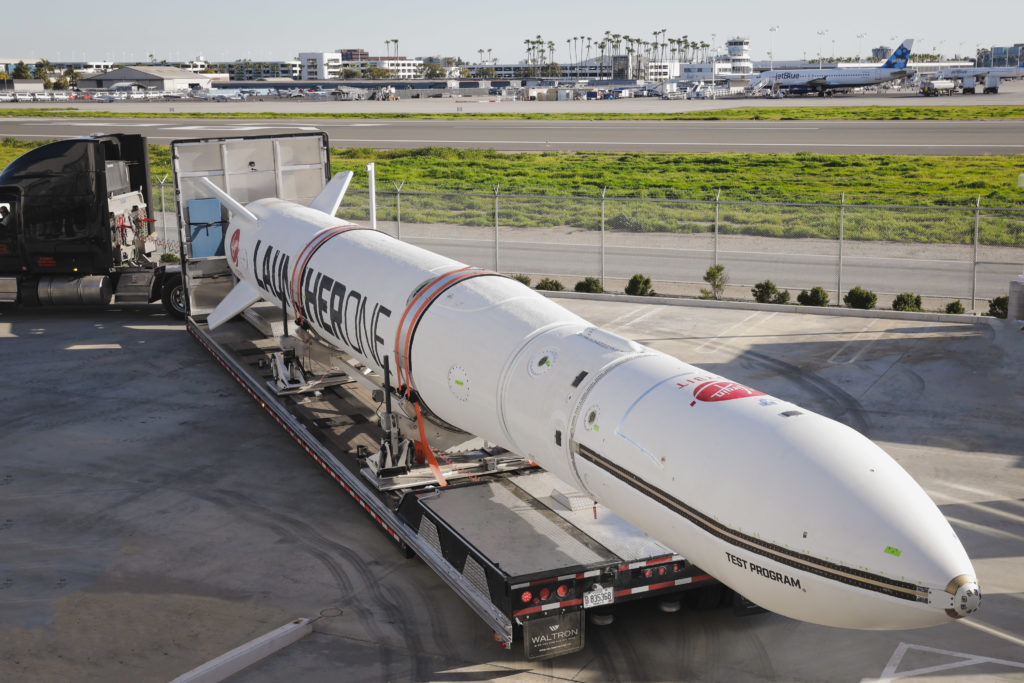
LauncherOne rocket
Branson who believes in the benefits of cutting-edge technology uses3D printingTo help the space brand manufacture rocket engine parts. Last May, the NASA Center collaborated with Virgin Orbit to develop and test uniquely manufactured rocket parts.Experts in the fields of combustion and additive manufacturing have created a3D printingCombustion chamber, which combines a variety of materials and uses advanced manufacturing processes.At that time, Kevin Zagorski, Senior Manufacturing Manager of Virgin Orbit Propulsion Technology, said: “The combination of a variety of optimized materials and additive manufacturing technologies that we use represents3D printingA major advancement that is usually compromised in the production of rocket engine combustion chambers. The information gained from our partnership with NASA will be the key to applying these technologies to further improve the cost, performance and delivery time of Virgin Orbit’s LauncherOne propulsion system. “
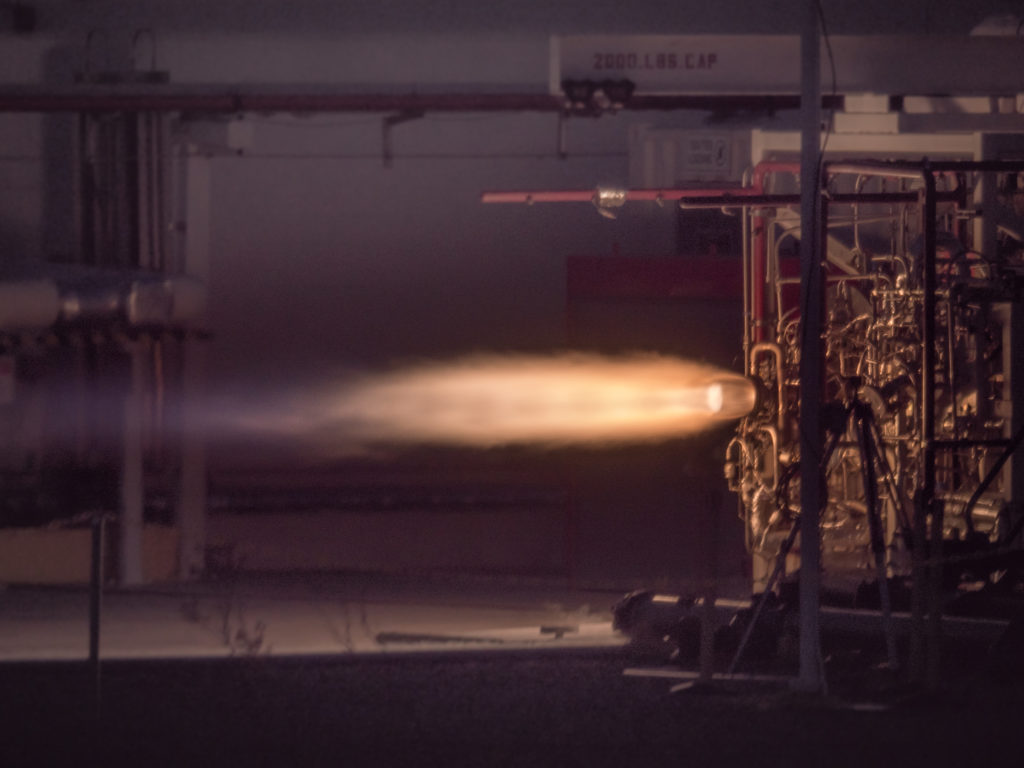
Virgin Orbit’s engine test in the Mojave Desert
The company stated that its common goal is to study the use of additive manufacturing to manufacture polymetallic combustion chambers, which will change the way humans design and manufacture rockets. It seems that the combustion chamber is not only an important part of all rocket engines, but the harsh operating environment makes it one of the most difficult engine parts to develop, while at the same time making the manufacturing time short and low cost. Here, the propellant mixes and catches fire, creating incredible high pressures and temperatures, and then accelerates beyond the speed of sound as it leaves the nozzle.
Early on, Virgin realized that if they want to fly into space, they also need to keep up with the development of technology, otherwise they will not have the same freedom to develop what they want.This is completely part of Branson’s business approach: “You won’t learn to follow the rules, you won’t learn by doing, and you won’t fall.” And that’s exactly what3D printingFor the booming aerospace industry: It means creating everything imaginable in thinking, and machines can be manufactured sustainably and cost-effectively.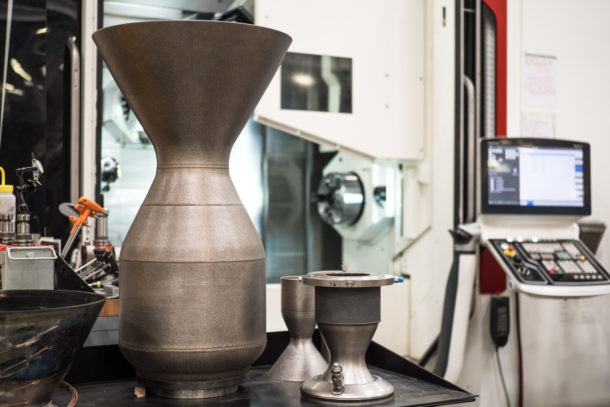
The hardware built into the Virgin Orbit hybrid subtractive manufacturing machine
In order to satisfy the desire for continuous innovation, Virgin Orbit is the first hybrid AM machine of DMG MORI in the United States to deploy and use it in3D printingCustomers who use rocket engine parts for space launches. The LASERTEC 4300 3D hybrid is producing large parts at the company’s factory in Long Beach, California. The machine even allows new material combinations, such as copper and Inconel; and a large working room that can accommodate 3306 pounds of workpieces.
professional3D printingThe machine integrates laser additive manufacturing technology into a mature five-axis milling machine, which can print 10 pounds per hour. The team’s goal is to use it to manufacture the main system, not just the bolts and brackets, but the entire thrust chamber assembly.According to the company, these components are large, complex and demanding, so they cannot be used in traditional3D printingOn-board construction, for example, engine parts that used to take a year to complete now take a month.
The facility is equipped with 5 rockets, and another rocket is still in operation, so the machine can work around the clock. Their application is mainly to deposit and process the key components of the launch vehicle, mainly using Inconel in combination with copper alloys. These alloys are usually used in the rocket nozzles, combustion chambers, igniters and manifolds.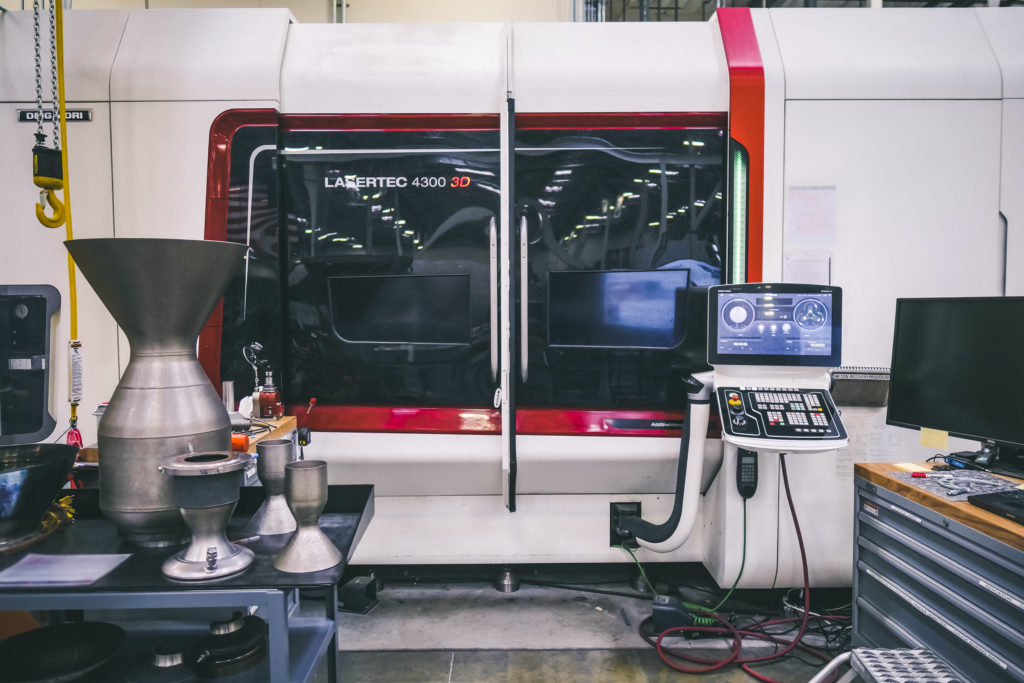
Virgin Orbit’s hybrid subtractive manufacturing machine
In addition, the United Kingdom Space Agency (UKSA) has just announced that it will provide 9.5 million U.S. dollars (7.35 million pounds) in funding to Branson’s Virgin Orbit Company, which will start launching at the end of 2021. These funds are designed to help the team fly its LauncherOne rocket from a new format. The space port under development at Newquay at Cornwall Airport in the United Kingdom. The rocket will be taken into the sky under the wing of a modified Boeing 747 named “Space Girl”, then put it down and fly into orbit under its own engine.
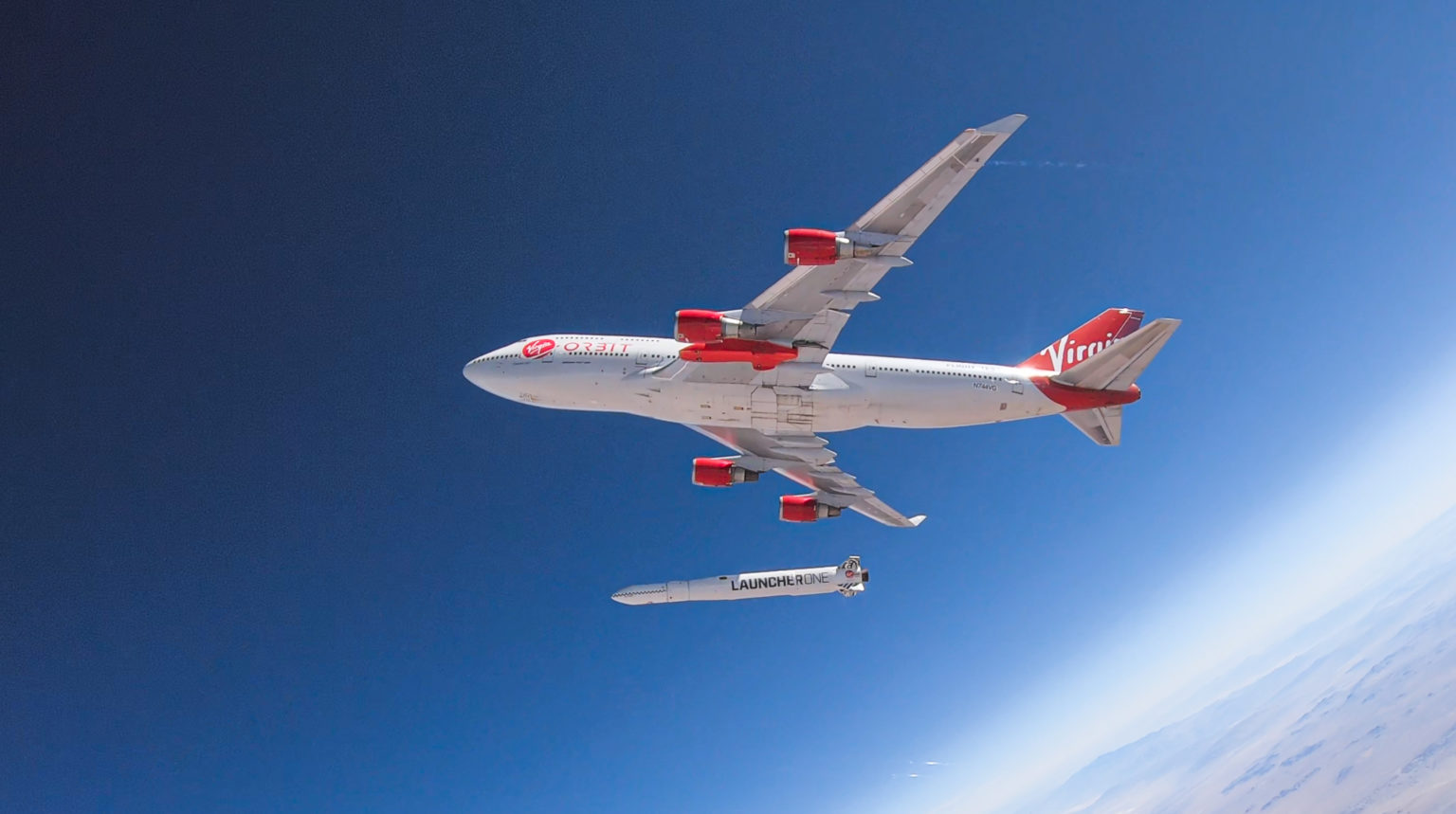
In order to accelerate the pace of development on a global scale, last June, Virgin Orbit signed an agreement with ANA Holdings, the parent company of All Nippon Airways (ANA), to bring LauncherOne services to Japan.Virgin Orbit proposes that its unique and sensitive system will complement Japan’s existing ground-based launch vehicles, enable the private sector to enter space in the short term, contribute to the development of the country’s thriving small satellite ecosystem, and will Japan is positioned firstAsiaSpace transportation center.
By using Boeing 747 aircraft with an improved structure as its “flying launch pad,” the company has gained the ability to quickly transport the entire launch site to all parts of the world, so that each satellite can be launched from the best location. This mobile launch method also greatly reduces the cost of infrastructure at each launch site.
China3D printingNet comment: Virgin Atlantic’s idea of opening up commercial space for everyone and incorporating additive manufacturing technology is the future of rocket engines. The two-stage liquid propellant rocket LauncherOne has now fully carried out its first mission as planned. The mission was originally scheduled to begin at the end of 2019 and may begin next year. The first flight is critical to the company, which will pave the way for regular commercial operations and more deep-space operations.
Original article from China 3D Printing Network!
(Editor in charge: admin)
0 Comments for “Virgin Galactic: 3D printing brings extraordinary experience to the aviation and aerospace industries”